Best Platforms to Host Your Brand Style Guide Online
Looking for the best brand style guide platform? Compare top tools to host, share & manage your brand guidelines online and keep every team on brand.
A brand style guide is only useful if people can actually find it and use it.
That sounds obvious, but most brands get it wrong. Guidelines get buried in a shared drive, emailed as a PDF, or split across three different tools nobody checks. The result: vendors using old logos, partners applying the wrong colors, and internal teams producing off-brand content for months before anyone notices.
The fix is a dedicated platform to host your brand style guide online. One centralized, always-accessible space where your logo files, typography rules, color palettes, tone of voice, and usage guidelines all live together and stay current.
This guide covers the best platforms to host your brand style guide in 2026, whether you are a freelancer delivering a brand book to a client, an agency managing multiple brands, or a growing company that needs its team and partners to stay consistently on brand.
What Is a Cloud Style Guide?
A cloud style guide is a brand style guide hosted online instead of saved as a PDF. It lives at a link, updates in one place, and shows logos, colors, fonts, and usage rules to anyone you share it with. As a result, partners never work from an outdated copy.
Why a Dedicated Brand Style Guide Platform Beats a PDF
A static PDF cannot be updated as your brand evolves. It cannot tell you who accessed it, prevent someone from using an expired logo, or give a new vendor instant access to your latest assets without an email chain.
A dedicated brand style guide platform solves all of that:
- Your guidelines stay live and up to date without redistributing files
- Internal teams and external partners always access the same version
- Access controls let you decide who can view, download, or edit
- Shareable links replace back-and-forth file transfers
- Usage tracking shows which assets are actually being used
For teams that produce content regularly, a live brand style guide platform is not a nice-to-have. It is the difference between a brand that looks consistent and one that does not.
Best Platforms to Host Your Brand Style Guide in 2026
Here is our curated list, starting with the best all-in-one solution.
1. Brandy
Perfect for: Agencies, startups, creators, marketers, and remote teams
Free Plan: 1 Brand Space, unlimited collaborators, no credit card required
Website: brandyhq.com
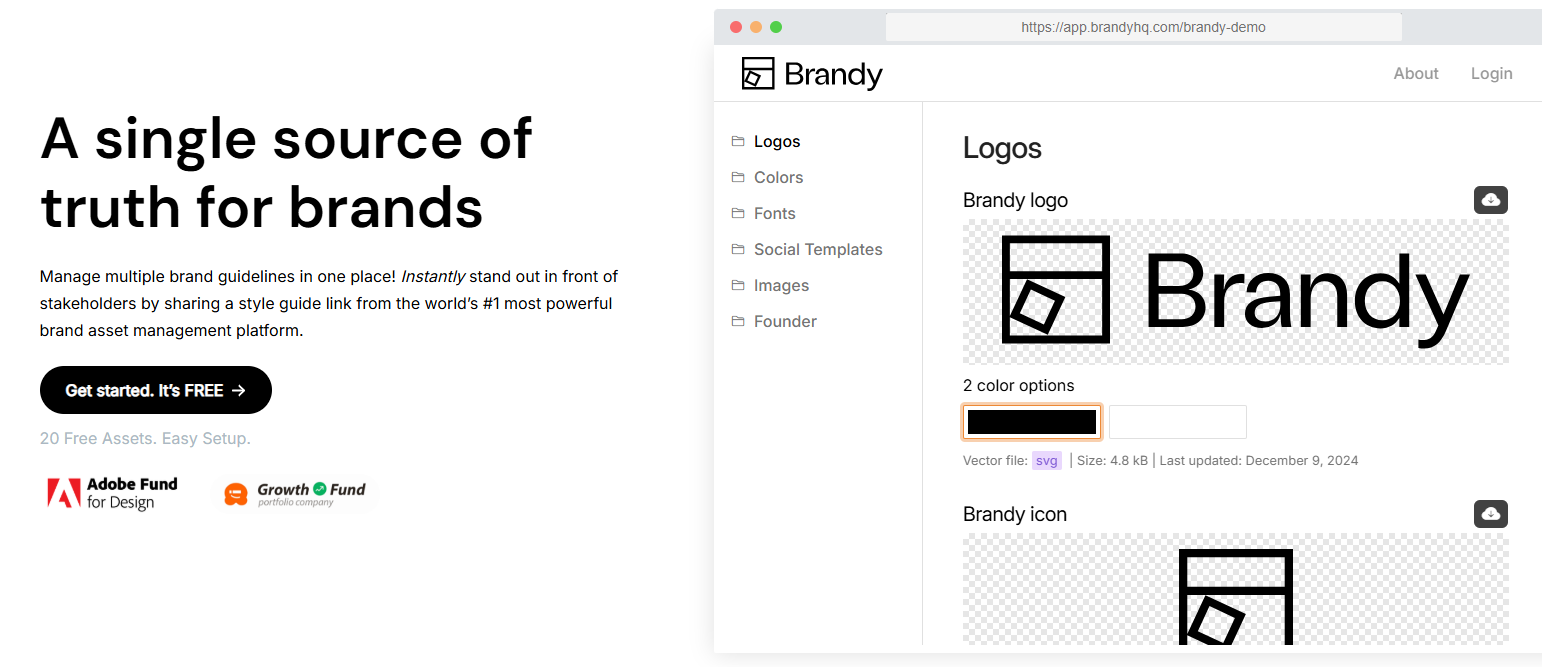
Brandy is a brand asset management platform that keeps a company’s logos, colors, fonts and brand guidelines in one place and shares them through a single link. Agencies use it to give each client a white-label brand portal on its own domain, and teams can start on a free plan with 20 assets. Brandy is backed by Adobe.
Designed with collaboration in mind, Brandy allows real-time access for unlimited team members. It integrates with Adobe Express, so teams can bring brand assets into their designs. Every asset is instantly shareable via branded links, so external partners and clients always get the most up-to-date version.
What truly sets Brandy apart is its visual-first, minimal UI. Instead of dumping files in folders, you present your brand in a structured, intentional way. Whether you are a solo designer or a global team, Brandy makes brand consistency effortless, and free to start.
2. Lingo
Perfect for: Teams needing digital brand guidelines and asset sharing in one place
Lingo is a flexible and visual-first platform that simplifies how teams host and manage brand guidelines. Its canvas-style interface allows you to create branded layouts where logos, typography, colors, and other design elements are not just stored, but showcased with intention. You can drag and drop sections, organize content into reusable blocks, and share them with anyone through public or private links.
It is particularly effective for marketing and design teams that want real-time updates and clarity across departments. Assets can be organized by collections and tagged for quick navigation. Lingo also supports version history and integration with popular tools, making it easy to keep your design workflow in sync.
What makes Lingo stand out is its versatility. It is ideal for growing teams that want more than just static brand books and need a living, breathing platform for managing brand assets and guidelines at the same time.
3. Standards
Perfect for: Companies looking for a modern, fast, and code-free brand guide solution
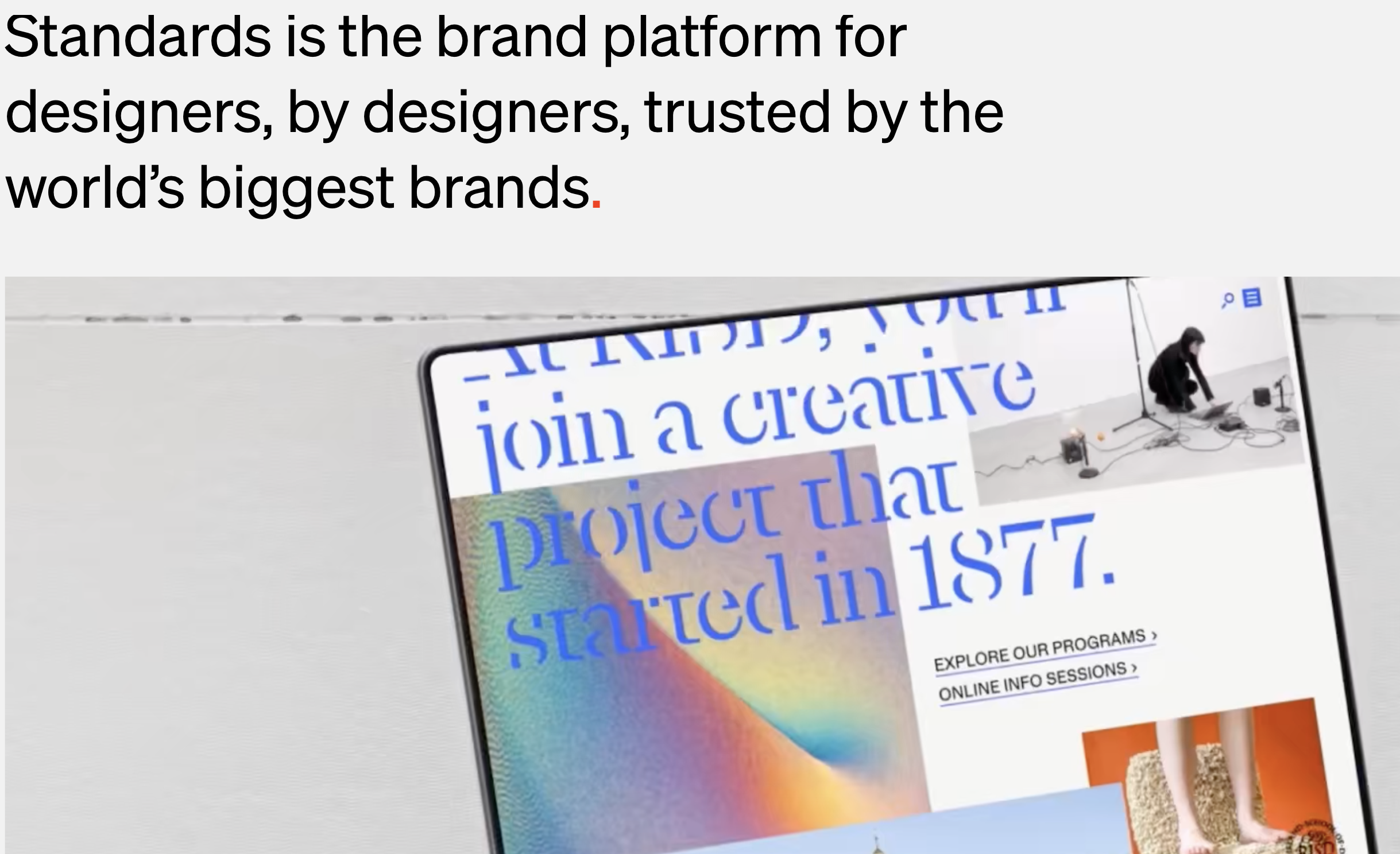
Standards offers a no-fuss way to host your digital brand guidelines without technical overhead. Its clean, intuitive interface makes it perfect for startups, SaaS companies, and mid-sized teams who need something quick, flexible, and professional.
The platform allows you to add visual and text components, create custom sections, and easily embed assets like logos, icons, and typefaces. With version control and role-based permissions, keeping your team and vendors on the same page becomes simple. Sharing is also effortless – just generate a unique URL and send.
Where Standards really shine is in speed and simplicity. You can publish an on-brand guide in minutes and update it anytime. For fast-moving teams that need agile tools, this platform delivers. It may not have the bells and whistles of larger DAM systems, but it is perfect if you want your guidelines accessible, usable, and clean.
4. Brandpad
Perfect for: Agencies and freelancers delivering professional brand books to clients
Brandpad is a platform built specifically for designers. It lets you create beautiful, branded guideline portals that go far beyond PDFs. The experience feels premium, making it ideal for handing off projects to clients with style and professionalism.
Everything in Brandpad is organized and designed to highlight your creative work, from type hierarchies to logo rules and color systems. It supports easy uploads, rich formatting, and modular layout structures. You can share branded links with clients, and they do not need accounts to view or download assets.
What makes Brandpad especially appealing is its design-first approach. It is not just a utility tool; it is a canvas for showcasing a brand. Agencies that want to offer added value to clients or streamline the delivery of identity packages will find this a strong fit. Plus, it is affordable and quick to set up, even for solo creatives.
5. Ebaq Design
Perfect for: Freelancers, solo designers, and boutique studios building quick brand books
Ebaq Design offers beautifully crafted, ready-to-use brand book templates that allow anyone to create digital brand guidelines without complexity. If you are not ready to commit to a full-scale platform, but still want something professional to present, this is a strong contender.
Using Ebaq, you can quickly assemble a visual guide that covers core brand elements such as logos, fonts, colors, and more. These templates are clean, modern, and web-based, ideal for handing over to clients or showcasing your own personal brand online.
What makes Ebaq different is its simplicity and speed. It is not packed with advanced tools, but that is exactly why many creators love it. You get just what you need to deliver professional-looking guidelines without distractions. It is a great stepping stone for designers who want to offer digital brand books without diving into more complex platforms.
6. Marq
Perfect for: Franchise networks, universities, and distributed teams
Marq, formerly Lucidpress, is a hybrid platform combining digital brand guidelines with customizable marketing templates. It is especially useful for large organizations with many branches or departments that need autonomy while staying on brand.
The platform lets you set global brand rules while allowing local teams to use approved templates for flyers, brochures, social media posts, and more. This balance of brand control and creative freedom is ideal for industries like education, retail, and hospitality.
Marq also supports cloud storage, real-time collaboration, and drag-and-drop editing, making it accessible even to non-designers. If your brand spans multiple locations or departments and you need them to self-serve assets while following the rules, Marq helps streamline the experience and reduce brand inconsistencies.
7. Ziflow
Perfect for: Creative and marketing teams with high collaboration needs
Ziflow stands out as a brand asset and workflow solution rolled into one. It is not only a tool for hosting your brand guidelines, it also manages the entire creative review and approval process. For teams that work on high volumes of content and need structured feedback, Ziflow offers real value.
You can host your brand guide, upload assets, annotate visuals, and get stakeholder approvals within the same system. With features like version control, access tracking, and automated workflows, it reduces friction and speeds up production timelines.
Ziflow is ideal for agencies, marketing teams, and enterprise creatives who want to keep their branding and content processes tightly integrated. It is more than a brand guideline platform; it is a collaboration engine that helps brands maintain consistency while moving fast.
How to Choose the Right Brand Style Guide Platform
The right platform depends on how your team works and what you need your brand style guide to do.
For agencies and teams managing multiple brands: Look for platforms that support multiple brand workspaces, client-facing sharing, and role-based permissions. Brandy and Lingo are built for this use case.
For solo designers and freelancers: You need something fast to set up and professional to present. Brandpad and Ebaq Design are strong fits.
For large organizations with distributed teams: Template control matters as much as guidelines hosting. Marq handles brand governance at scale, letting local teams self-serve within approved parameters.
For teams with heavy review and approval workflows: Ziflow adds a collaboration and approval layer on top of brand hosting, useful if content production volume is high.
Whichever platform you choose, test it with your actual brand assets before committing. The best brand style guide platform is the one your whole team will actually use.
For a full walkthrough on how to build your brand style guide from scratch before hosting it, read our guide on how to create a brand guideline book.
FAQ
How do I create a digital brand style guide online?
Choose a hosting platform, add your logos, colors, and fonts, write short usage rules, and then share the link with your team and partners. Because everyone opens the same link, updates reach them right away.
Can agencies white label a brand style guide for clients?
Yes, on platforms that support it. Brandy offers white-label options such as a custom URL, logo, and colors, so clients see the agency’s branding or their own instead of the vendor’s.
What is the difference between a PDF and a cloud style guide?
A PDF is a static copy that goes out of date the moment it is emailed. A cloud style guide lives at one link and updates in one place.
Conclusion: Build a Brand Style Guide That Actually Gets Used
Brand style guides fail when they are hard to find, hard to navigate, or out of date. A modern hosting platform removes all three problems.
Start with Brandy if you want a dedicated space that centralizes your brand assets, guidelines, and collaborators in one clean interface. It is free to start, takes minutes to set up, and scales with your brand as it grows.