Imagine a company with five teams, three designers, two writers, and a dozen marketing campaigns running at once. Without a clear brand playbook, you get mismatched colors, off-brand messaging, and confusion. Now imagine the same company with a single, powerful brand book. Suddenly, everyone is aligned. Every touchpoint feels consistent. Trust is built faster. That is the power of a brand guideline book.
A well-crafted brand book brings your identity to life. It helps your visuals, tone, and personality shine through in every email, ad, or landing page. In fact, consistent branding can increase revenue by up to thirty percent. Whether you are a startup founder or a marketing lead, creating a brand book is one of the smartest investments you can make for long-term brand success.
In this guide, we will break down what a brand book really is, why it matters more than ever, and how to build one that works for your entire team.
What Is a Brand Guideline Book?
A brand guideline book is a comprehensive manual that defines how your brand should look, sound, and feel across all platforms. It is more than a logo sheet or a color palette. Think of it as the instruction manual for your brand’s personality and voice.
It outlines the key components of your identity, from typography and imagery to voice, values, and messaging style. This makes it easier for everyone from in-house creatives to external partners to stay on-brand in every piece of content they produce.
What makes a brand book powerful is its ability to align internal culture with external expression. It helps your team create with confidence, knowing exactly what the brand stands for and how to present it in the world.
Why Every Business Needs a Brand Book
Branding is not just for big companies. Whether you are running a small business or scaling a startup, a strong brand identity helps people remember you, trust you, and choose you.
A brand book ensures that your messaging stays consistent across all channels, even as your team grows. It gives new hires a clear starting point. It gives designers a shared visual language. And it gives marketing teams a unified tone of voice.
Without a brand book, your brand becomes vulnerable to inconsistencies. From social media posts to pitch decks, even small missteps can confuse your audience. A brand book keeps your identity grounded, helping every department speak the same language and represent the brand with clarity.
Core Elements of a High-Performing Brand Book
A brand book that actually gets used is more than just pretty pages. It needs to be practical, detailed, and thoughtfully structured. The best brand books are easy to follow, visually engaging, and packed with real-world use cases. Here are the essential elements to include:
Visual Identity
Your brand’s visual style sets the tone before a single word is read. This section includes your logo variations, spacing rules, and misuse examples. Add your core color palette with HEX, RGB, and CMYK codes. Do not forget your font pairings and hierarchy, from heading styles to body text.
Visual consistency helps people recognize your brand instantly. It also makes design decisions quicker and easier for your team.
Verbal Identity
This is where your brand voice takes shape. Outline your preferred tone, sample phrases, and writing style. Is your tone bold and direct or friendly and conversational? List approved language and phrases that represent your personality. Include guidelines for headlines, social posts, and support messages.
A consistent tone builds familiarity and trust across all content types.
Application Guidelines
Rules are only useful when they are easy to apply. Use this section to show real examples of your brand in action. Include branded social media posts, website layouts, ad banners, and business cards. The goal is to help your team visualize exactly how to bring the brand to life.
Together, these sections form the foundation of a brand system that is both strategic and scalable.
Step-by-Step Guide to Creating a Brand Guideline Book

Building a brand book from scratch may seem overwhelming, but breaking it down into clear steps makes the process smooth and efficient. Here is a simple framework to guide you from idea to implementation:
Step 1: Align Your Team and Goals
Start by gathering input from key stakeholders – your founders, marketing team, designers, and even customer-facing staff. Identify your brand’s mission, core values, and goals. This alignment ensures that your brand book reflects the real identity of your company, not just design preferences.
You can also run a quick brand audit to check what assets already exist and where inconsistencies may lie.
Step 2: Define Your Visual and Verbal Elements
Once the strategy is clear, begin developing the visual identity. Choose a logo, font set, and color palette that best represent your brand. Simultaneously, work on your brand voice. This includes how you write headlines, talk to customers, and describe your mission.
Use real content samples like emails, ads, and landing pages to test whether your identity feels consistent across formats.
Step 3: Design the Brand Book Layout
Decide on the format that fits your team. Will it be a downloadable PDF, a printed booklet, or an online portal? Structure it clearly with a table of contents and simple navigation. Include visuals wherever possible to illustrate key points. Keep explanations brief, friendly, and action-oriented.
You want people to use the brand book, not just read it once and forget it.
Step 4: Test and Refine with Real Users
Share your draft brand book with different teams. Ask a designer, a content writer, and a sales rep to use it for a day. Can they find what they need quickly? Does the guide help them make better decisions?
Use their feedback to fine-tune the structure, fill in missing gaps, and simplify language where needed.
Step 5: Roll It Out and Train Your Team
Launch your brand book with a short training session or an internal presentation. Walk your team through the most important rules and where to find resources. Make sure they know how to use the templates, apply the voice, and access brand assets.
This final step turns your brand book into a living tool instead of a static document.
Real Brand Book Examples for Inspiration
If you are building your own branding guideline book, learning from the best can speed things up. These brand guideexamples show how some of the most iconic companies have translated their identity into clear, usable resources.
Spotify Brand Guidelines
Spotify offers one of the best brand book examples for digital-first companies. Its visual identity is minimal, modern, and highly adaptable. Every element, from logo usage to typography, is designed to be flexible yet consistent across web, mobile, and promotional content.
The guide provides detailed instructions on color usage, spacing, and when to use the icon alone versus the full wordmark. It also shows how to maintain a cohesive brand experience on everything from playlist covers to event booths.
Spotify proves that even with a minimalist design system, you can still create a powerful and recognizable presence.
Airbnb Brand Book
Airbnb’s brand guidelines go beyond colors and fonts. They are deeply rooted in the brand’s message of inclusivity and belonging. Every design element, from warm images to soft typography, reflects this core feeling.
What sets Airbnb apart is how it integrates storytelling throughout its style guide. The tone, imagery, and brand story are all aligned. This makes the brand book a great reference not only for design teams but also for content writers and customer support.
NASA Graphics Standards Manual
NASA’s original branding guideline book was published decades ago, but its structure still inspires modern designers. This detailed brand guide outlines strict rules for logo positioning, font selection, and even vehicle signage.
It emphasizes structure, clarity, and space — all qualities that reflect NASA’s scientific roots. If your brand values precision and professionalism, this is one of the best brand book examples to follow.
Mailchimp Style Guide
Mailchimp’s style guide is full of personality. The tone is playful, but the structure is clear. It covers everything from email copywriting to illustration styles. You will find provide examples of how to keep the brand consistent across print and digital, as well as different content types like blogs and social media posts.
This guide is proof that a user friendly brand book can still be creative. Mailchimp also includes real templates, making it easier for teams to apply the brand guidelines at their own pace.
Tips to Keep in Mind While Designing a Brand Book
Whether you are creating a beautiful brand book from scratch or refining an old one, these tips will help ensure it is practical, polished, and actually used.
Think of Your Audience
The most successful brand owners design their brand books with the end user in mind. Whether it’s your internal teams, freelancers, or partners, the goal is to get everyone on the same page. Use language that is simple, approachable, and easy to follow.
Show, Don’t Just Tell
Where possible, provide examples. Instead of just listing your color scheme or logo files, show them in real use. Include mockups of social media posts, email banners, and web pages using your approved branding. People learn better when they see things in action.
Balance Detail with Clarity
A good brand guide strikes the right balance between being specific and being overwhelming. Include all the essential visual elements and tone instructions, but avoid adding pages of theory. Be concise, but clear.
Explain the brand’s mission, tone, and core values in a way that makes sense even to someone new on the team.
Make It Accessible
Consider a web based style guide for larger or fast-moving teams. These digital formats allow for real-time updates, downloadable assets, and easy access from anywhere. For smaller teams, a well-designed PDF may be enough, but always make sure the file is easy to navigate.
Keep It Updated
As your branding projects evolve, your guide should too. Schedule time every six to twelve months to review and revise your brand book. Adding new examples, removing outdated references, and updating your brand’s identity helps maintain consistency.
A strong branding guideline book is not just a one-time deliverable. It is a living resource that supports every future project, from new product launches to everyday marketing.
Tools to Help You Build and Manage Your Brand Book
You do not need to start from a blank page. There are excellent tools that simplify the process of designing, sharing, and updating your brand guideline book. The right tool can help you build a user friendly, centralized hub for all your branding assets.
Brandy

Brandy is a powerful platform designed specifically for managing brand guidelines. It lets you create a visual, modular, and fully interactive brand style guide without any code. With Brandy, you can upload your logo files, set your color scheme, add brand voice rules, and even embed live examples.
Brandy also supports downloadable assets, so teams always have access to the latest files. For fast-growing businesses, this kind of real-time access keeps everyone aligned. If your team is remote or expanding quickly, a tool like Brandy keeps your brand guide consistent across teams and time zones.
Figma

Figma is great for building the layout and design of your brand book. With live collaboration features and flexible components, you can design mockups, set up typography, and organize your visual identity. Once finalized, these designs can be exported into PDFs or embedded in platforms like Brandy or Notion.
Canva

Canva is ideal for small teams or startups creating their first style guide. It offers ready-made templates for branding projects and allows for easy drag-and-drop editing. While it is not a full web based style guide, it is useful for initial drafts or simplified versions of a brand book.
Notion or Google Docs
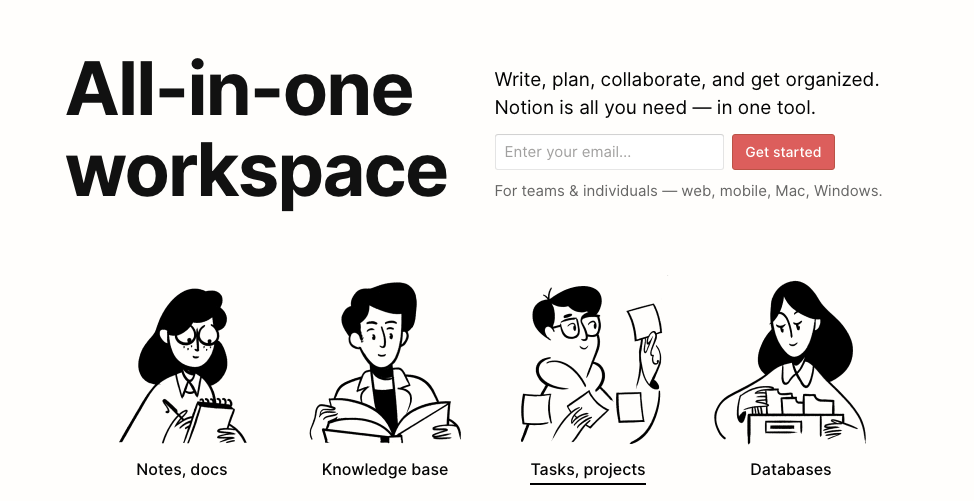
If your team prefers documents and wikis, Notion or Google Docs can help create a flexible, editable detailed brand guide. They are not design-focused but are perfect for keeping written rules, voice guidance, and team notes in one shared place.
These tools make it easier to build a beautiful brand book without hiring a full design team. Choose the one that fits your workflow and scale your brand’s identity with ease.
Final Thoughts: Your Brand’s Blueprint for Growth
A well-crafted brand guideline book is more than a set of rules. It is a foundation for scaling with consistency. From startups to global companies, every business benefits from clear, actionable brand guidelines that align the team and guide creative work.
When every department speaks the same visual and verbal language, you build brand recognition, trust, and clarity across all channels. This helps your brand stand out, connect faster, and deliver a strong message at every customer touchpoint.
As your business evolves, your brand book keeps everyone on track. It gives new hires a clear understanding of your voice. It gives designers the exact visual elements to use. And it gives writers the confidence to communicate with purpose.
If you are ready to create a brand guide that works for your team and grows with your company, consider using tools like Brandy to organize everything in one place.
Consistency does not happen by chance. It starts with a clear system. A brand book is that system.