
Social media is no longer just another marketing channel. It is where brands are discovered, judged, followed, and remembered. For many people, your Instagram post or LinkedIn update is the very first interaction they will ever have with your brand.
With billions of users scrolling daily, social platforms have become the most frequent brand touchpoint in the digital world. That frequency makes consistency critical. When your brand looks and sounds familiar every time it appears, trust builds naturally. When it does not, confusion sets in just as fast.
Consistent branding on social media is not about perfection or rigid rules. It is about showing up with clarity, intent, and familiarity across every post, reply, and campaign. Brands that master this earn attention, loyalty, and long-term recognition.
What is Social Media Branding Today
Social media branding is how your brand expresses itself across social platforms through visuals, language, behavior, and interaction. It goes far beyond logos and colors. It includes how you speak, what you share, how you respond, and how people feel when they engage with you.
Because social media content moves fast and reaches wide audiences, branding here must work harder than anywhere else. A single post can reach thousands in minutes, making alignment essential.
How Social Media Branding Differs From Traditional Branding
Traditional branding often lives in controlled environments like websites, ads, and printed materials. Social media is dynamic, conversational, and real-time. Content is created faster, feedback is instant, and mistakes are visible.
This speed means brands cannot rely on occasional checks or static guidelines alone. Social branding needs systems that work at scale and under pressure, without slowing teams down.
Why Social Media is Often the First Brand Impression
Many consumers now research brands directly on social platforms before visiting a website. They scan posts, captions, comments, and visuals to decide whether a brand feels trustworthy.
If those elements feel disconnected or inconsistent, people hesitate. If they feel cohesive and familiar, confidence builds quickly. Social media branding shapes perception long before a purchase happens.
The Core Elements of Strong Social Media Branding
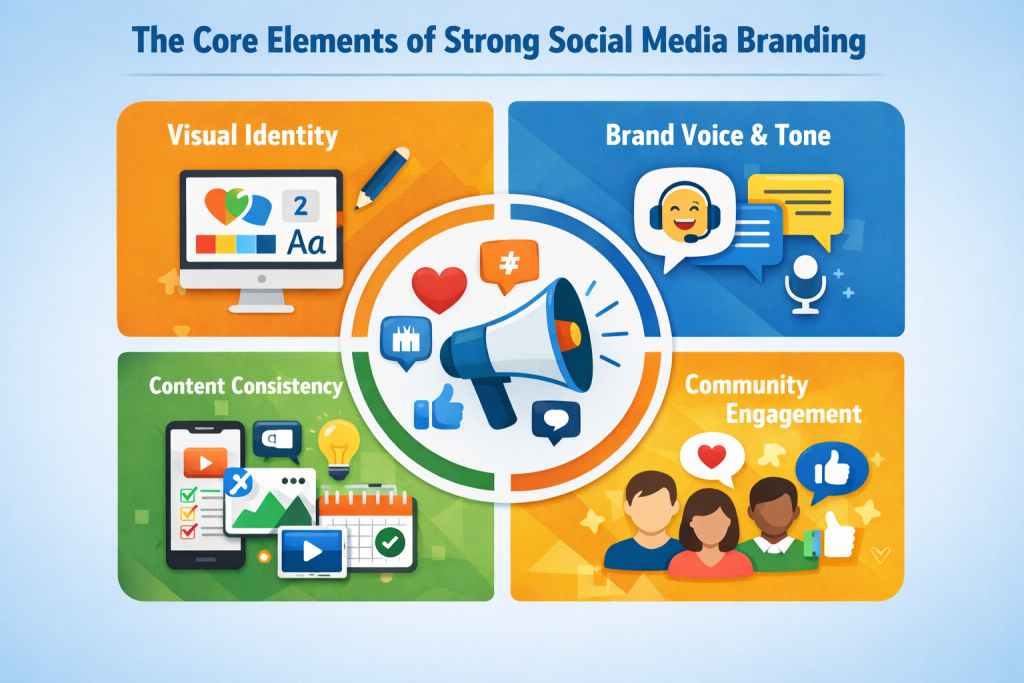
Strong social media branding is built from several interconnected elements. When these work together, consistency becomes natural instead of forced.
Visual Identity Across Social Platforms
Visual consistency helps audiences recognize your brand instantly. This includes color usage, typography choices, image style, layout structure, and recurring design elements.
While each platform has its own format requirements, your brand should still feel like itself everywhere it appears. Adaptation should never mean losing identity.
Brand Voice and Tone in Everyday Posts
Your brand voice is how you sound when you communicate. It should remain recognizable whether you are sharing an announcement, responding to a comment, or addressing feedback.
Tone may shift slightly based on context, but the underlying personality should stay consistent. This builds familiarity and emotional connection over time.
Content Types and Format Consistency
Consistency also applies to the types of content you publish. Educational posts, behind-the-scenes updates, product highlights, and community stories should follow a recognizable structure.
Audiences grow comfortable when they know what to expect from your content. That predictability strengthens engagement and recall.
Community Interaction and Engagement Style
How you interact matters just as much as what you post. Replies, comments, and direct messages all shape brand perception.
A consistent engagement style shows professionalism and care. It reassures audiences that your brand is reliable, attentive, and aligned internally.
Why Brand Consistency is the Foundation of Social Media Trust
Trust is built through repetition and familiarity. Social media gives brands countless opportunities to reinforce both, but only if consistency is maintained.
How Consistency Builds Recognition and Recall
When people repeatedly see the same visual language and tone, their brains recognize it faster. Over time, this recognition turns into recall. When they need a solution you offer, your brand comes to mind naturally.
Consistency removes friction from the decision-making process. Familiar brands feel safer.
The Emotional Impact of Familiar Brands
People connect with brands that feel stable and authentic. Inconsistent messaging or visuals can make a brand feel unreliable, even if the product itself is strong.
On social media, emotional signals are amplified. Familiarity creates comfort, and comfort builds loyalty.
What Happens When Social Branding Breaks
Inconsistent posts confuse audiences. Mixed messages weaken credibility. Sudden changes in tone or design raise questions about internal alignment.
Over time, this erosion affects engagement, trust, and brand reputation. The damage is subtle but cumulative.
The Real Business Impact of Inconsistent Social Media Branding
Inconsistency is not just a creative issue. It has measurable business consequences.
Lower Engagement and Algorithm Performance
Social platforms reward engagement. When content feels inconsistent or unclear, people interact less. Lower engagement reduces reach, which limits visibility across feeds.
Consistency helps algorithms understand and favor your content.
Weakened Brand Equity Over Time
Brand equity grows when experiences feel coherent across touchpoints. Inconsistency slowly chips away at that equity, often without immediate warning signs.
Once lost, brand equity is difficult and expensive to rebuild.
Lost Trust During Buying Decisions
When potential customers research your brand and see mixed signals, hesitation follows. Even small inconsistencies can raise doubts at critical decision moments.
Trust lost at this stage often means lost revenue.
Common Challenges Brands Face: Staying Consistent on Social Media
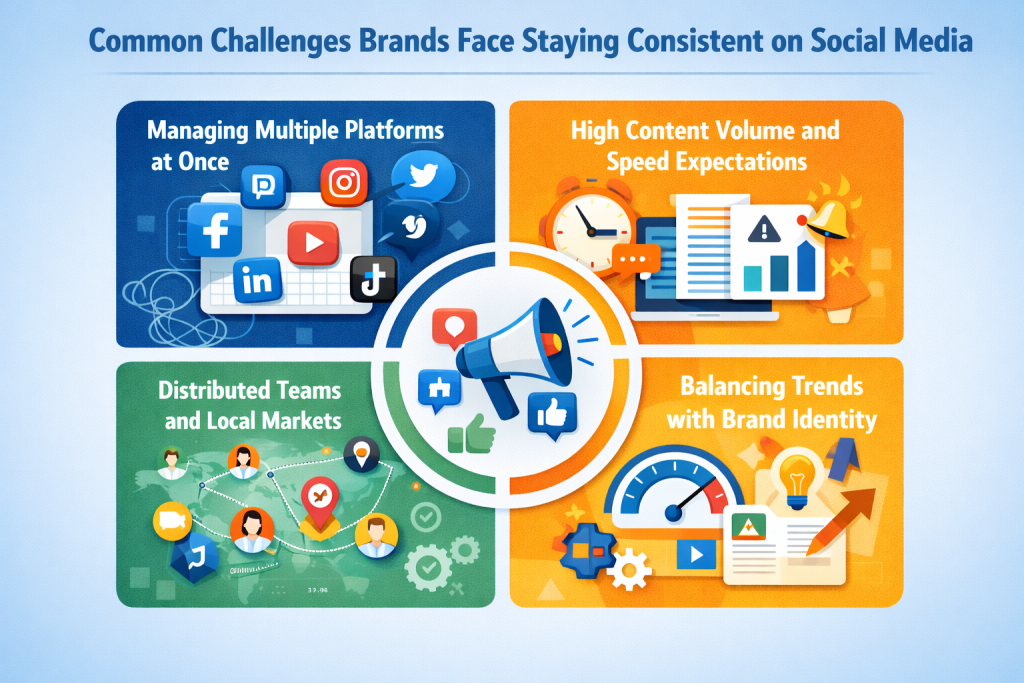
Even brands with strong intentions struggle with consistency. The challenges are structural, not personal.
Managing Multiple Platforms at Once
Each platform has different formats, audiences, and content expectations. Without a system, teams often improvise, leading to inconsistency.
High Content Volume and Speed Expectations
Social media demands frequent posting and fast responses. Under pressure, teams may skip checks or reuse outdated assets.
Speed without structure creates risk. Video is usually the slowest content type to produce, which makes it the first thing teams rush or skip. An AI video generator cuts that production time down.
Distributed Teams and Local Markets
Global teams and regional marketers need flexibility, but without governance, local adaptations can drift off brand.
Balancing autonomy and alignment is one of the hardest challenges brands face.
Balancing Trends With Brand Identity
Trends move fast on social media. Jumping on them without context can dilute brand identity.
The challenge is staying relevant without sacrificing clarity.
How Often Should You Post to Maintain Brand Consistency
Brand consistency is not only about how your content looks or sounds. It is also about when it appears. Posting at random intervals can make even strong content feel disconnected.
Audiences build habits around the brands they follow. When content appears with some predictability, it feels intentional and reliable. When it does not, engagement often drops.
Why Predictability Matters More Than Frequency
Posting more often does not automatically improve results. What matters is whether your audience knows what to expect from you.
A consistent rhythm trains people to recognize your presence in their feed. This familiarity increases engagement and strengthens brand recall over time.
Adjusting Cadence by Platform Without Losing Identity
Each platform has its own pace. What works on LinkedIn may not suit Instagram or TikTok. The key is adjusting frequency without changing who you are.
Your visual style, tone, and message should remain stable even as formats and timing adapt. Consistency lives in identity, not uniformity.
How to Build a Consistent Social Media Branding Strategy
Consistency does not happen by accident. It is the result of clear decisions, shared systems, and ongoing discipline.
Lock Down Your Brand Identity and Social Goals
Before posting anything, your brand identity must be clearly defined and accessible. This includes values, personality, visual rules, and messaging principles.
Social media goals should also be explicit. Whether you focus on awareness, engagement, lead generation, or customer support, clarity keeps content aligned.
When teams understand both who the brand is and what social media should achieve, maintaining consistency becomes easier.
Define Your Audience Per Platform
Your audience is not identical across platforms. People behave differently depending on context, intent, and expectations.
Defining platform-specific personas helps tailor messaging without fragmenting identity. The brand stays recognizable while the message stays relevant.
Choose the Right Social Channels
Being present everywhere is not always strategic. Focus creates better outcomes than overextension.
Selecting the right channels allows teams to invest time in understanding platform dynamics, content performance, and audience behavior. This depth supports consistency far better than surface-level presence.
Create a Strategic Content Calendar
A content calendar brings structure to creativity. It helps teams plan themes, balance formats, and align posts with campaigns and events.
Calendars also reduce last-minute decisions, which are often where inconsistency creeps in. Planning creates space for quality and alignment.
Build and Use Social Media Templates
Templates are among the most effective tools for maintaining brand consistency. They lock in visual structure while allowing flexibility in content.
Well-designed templates help teams work faster and with confidence. They reduce reliance on guesswork and prevent off-brand improvisation.
Create Clear Communication Guidelines
Consistency extends beyond posts into conversations. Audiences expect the same tone and professionalism in comments and messages as they do in content.
Clear guidelines for replies, escalation, and moderation ensure that every interaction reinforces brand values rather than undermining them.
Centralize All Approved Social Assets
Scattered assets are a major source of inconsistency. Teams waste time searching, reuse outdated files, or create new versions unnecessarily.
Centralizing approved assets ensures everyone works from the same source of truth. This clarity reduces errors and speeds up execution.
Monitor Review and Improve Continuously
Even with strong systems, mistakes can happen. Regular monitoring allows teams to catch issues early and adjust quickly.
Consistency improves through iteration. Reviewing performance and alignment keeps branding strong as platforms and audiences evolve.
How Digital Asset Management Supports Social Media Brand Consistency
As brands scale, manual control becomes impossible. This is where Digital Asset Management plays a critical role.
Why Centralized Assets Reduce Risk and Rework
A centralized system ensures teams always use the correct versions of logos, visuals, and templates. It removes ambiguity and minimizes rework.
This structure protects brand integrity without adding friction to daily workflows.
How Brand Governance Scales Across Teams
Governance does not have to mean restriction. With the right system, it becomes guidance.
Teams gain freedom within clear boundaries, allowing creativity to thrive while maintaining consistency.
How Brandy Helps Teams Stay Consistent on Social Media
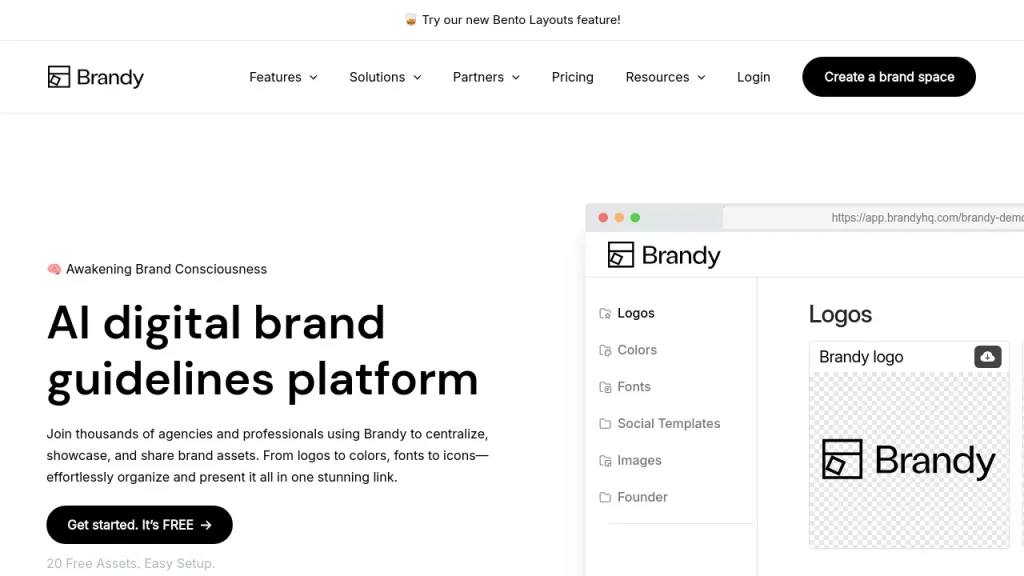
Brandy is designed to support consistency without slowing teams down. It brings structure to social branding while enabling flexibility at scale.
One Central Brand Hub for Social Assets
Brandy gives teams instant access to approved social media assets. No searching through folders or guessing which file is correct.
This confidence improves speed and reduces mistakes.
Smart Templates for On-Brand Social Content
With Brandy templates, teams can create social content that stays visually and tonally aligned. Templates adapt to different platforms while preserving identity.
This makes it easier for global and local teams to produce content that feels unified.
Governance Without Blocking Creativity
Brandy balances control with autonomy. Teams stay on brand while still moving fast and responding to trends.
Consistency becomes a support system rather than a constraint.
Conclusion: Consistency is What Makes Brands Memorable on Social Media
Strong social media branding is not built through viral moments alone. It is built through repeated clarity, familiarity, and trust.
When your brand shows up consistently across platforms, formats, and conversations, audiences feel confident engaging with you. Over time, that confidence turns into loyalty and advocacy.
Consistency is not a one-time effort. It is a system that evolves with your brand. With the right strategy and tools in place, social media becomes not just a channel but a powerful extension of your brand identity.
Frequently Asked Questions About Consistent Branding on Social Media
Consistent branding on social media means presenting the same visual identity, tone of voice, and messaging across all platforms and posts. It helps audiences instantly recognize your brand and builds trust through familiarity, even when content formats or platforms change.
Brand consistency is important because social media is often the first place people interact with a brand. Consistent visuals and messaging increase trust, improve engagement, strengthen brand recall, and influence buying decisions by making the brand feel reliable and professional.
Brands can stay consistent by defining clear brand guidelines, using approved templates, centralizing digital assets, and adapting content formats without changing core identity. Consistency comes from shared systems and rules, not from posting identical content everywhere.
Tools like Digital Asset Management platforms help maintain consistency by centralizing approved visuals, templates, and guidelines. They ensure teams always use the correct assets and messaging, reducing errors and keeping branding aligned across platforms and regions