A name might seem like a small detail. But the name you give your brand asset hub and the naming convention you use for the files within it directly affect whether your team actually adopts the system or quietly returns to old habits.
This guide covers both. How to choose a name for your DAM system that drives adoption, and how to build a file naming convention that makes every asset easy to find, years after it was uploaded.
Why Naming Your DAM System Actually Matters?
A vendor name is unlikely to resonate with your team. Most companies that rename their DAM see faster adoption simply because the tool finally feels like theirs.
“Open the DAM” does not build the same connection as “Check the Brand Hub” or “Pull it from the Library.”
A name is one of several components that build a cohesive branded environment for your users. Alongside a name, you might also consider a vanity URL, a logo, or customized dashboards. The goal is to extend your company branding throughout the tool, so it feels like a natural extension of the team’s workspace rather than a piece of vendor software bolted on from the outside.
Getting your team invested in the system, even subconsciously, is what drives long-term adoption.
How to Choose a Name for Your DAM System?
There is no single right answer here. The best name depends on your team’s culture, the industry you operate in, and what the system actually holds.

Align the Name With Your Brand and Mission
Your DAM system should reflect your organization’s values. A creative agency might lean playful. A regulated industry might lean toward clarity and formality. The name should feel like it belongs to your brand, not like a generic software label.
Keep It Simple and Memorable
Confusing names will turn users away. The names that stick are usually short, easy to say out loud, and easy to reference in a meeting without explanation.
Reflect on What the System Actually Holds
If your DAM houses a specific asset type, like photography or video, that can be part of the name. If it holds everything from logos to product descriptions to campaign assets, use a more general term like brand, media, or assets.
Build for Longevity
Choose a name that reflects the system’s purpose as it evolves, not a name tied to a current trend or a specific campaign. Your DAM system will likely outlive several rebrands and campaign cycles.
Common Naming Patterns
Most effective DAM names are two or three words, often combining an asset type with a system type:
- Asset type words: Brand, Content, Creative, Digital, Image, Marketing, Media, Photo, Resource, Video
- System type words: Center, Collective, Database, Hub, Gallery, Library, Portal, Source, Toolkit, Vault
- Examples: Brand Center, Creative Library, Content Hub, Marketing Toolbox, Digital Asset Library, Brand Asset Library
Many teams attach their company name to the front of the combination, which can also create a useful acronym. A company named Brandy, for instance, might simply call its hub “the Brandy Library” or “Brand Central.”
What Naming Your DAM System Does Not Solve?
A good name helps adoption. It does not solve findability.
Even with the most memorable name in the world, if the files inside the system are named inconsistently, your team will still struggle to find what they need.
This is where most teams underinvest, and where the real return on a DAM system comes from. A file naming convention is the system that makes every asset inside your DAM searchable, sortable, and easy to identify at a glance, without opening the file first.
What is a File Naming Convention?
Before building one, it helps to be clear about what it actually is and what it does in your DAM.
A file naming convention is a standardized, consistent structure for naming digital files so that anyone in the organization can identify what a file contains, when it was created, and where it belongs by reading its name.
A clear naming convention powers search functionality by providing search terms within file names, indicating basic information about a file without requiring anyone to open it, and simplifying automated workflows by giving the system directional cues about where files should be stored.
Without one, files end up named IMG_4552.jpg, final_v3.png, and use_this_one.psd. None of these tells you anything, and none of them are searchable in any meaningful way.
How to Build a File Naming Convention That Actually Scales?
A good naming convention is simple enough that no manual is needed to follow it. These six steps cover everything most teams need to get it right.
Decide What Information Belongs in the Name
Most naming conventions include a unique identifier (such as a project name or product ID), the date, the asset type, and a version number. Resist the urge to pack every possible detail into the file name. That is what metadata is for. The file name only needs to differentiate one asset from another.
Use a Consistent Date Format
The most reliable date format is YYYYMMDD. Putting the year first allows files to sort chronologically both inside your DAM and in any offline storage. A four-digit year also avoids the ambiguity that two-digit years can create over time.
Pick a Delimiter and Stick With It
Use hyphens, underscores, or consistent capitalization to separate elements in a file name, and avoid spaces or special characters entirely, since they can cause errors in some systems. Whichever delimiter you choose, apply it the same way across every file, every team, every time.
Keep Names Short but Meaningful
Brevity and clarity are both essential. A file name should tell you exactly what is inside without opening it, while remaining short enough to be usable across different operating systems and tools.
Document the Convention Somewhere Everyone Can Find It
A naming convention that lives only in one person’s head disappears the moment that person leaves. Document the rules clearly in your brand guidelines or in your DAM system, and ensure new team members are trained on them during onboarding.
Review and Update as the Team Grows
Naming needs change as a company scales, enters new markets, or restructures teams. Build in regular reviews of your naming convention so it can adapt without requiring a full cleanup project later.
Naming and Findability Work Better Together
A memorable system name gets your team to open the tool. A clear naming convention makes sure that once they are inside, they actually find what they need.
The two work together. A well-named, well-organized brand hub becomes a place your team trusts and uses daily, instead of a tool they were told to adopt and quietly avoid.
How Brandy Supports Naming and Organization From Day One?
Choosing a name is only the start. Brandy is built to ensure everything under that name stays organized and easy to find.
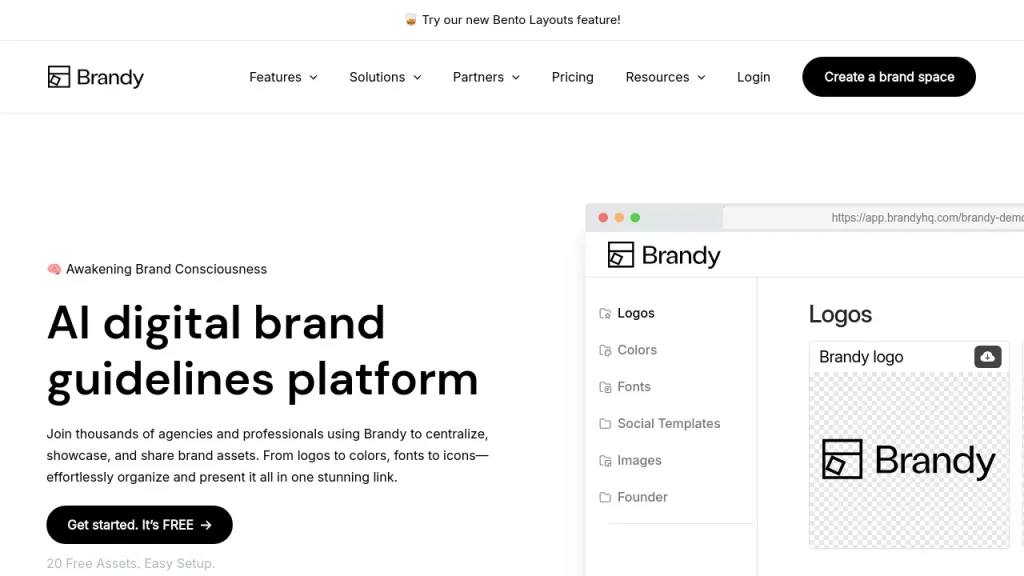
Brandy gives brand and marketing teams the foundation to build both a system your team wants to use and an asset library that is genuinely easy to search.
What Brandy supports:
- Custom brand spaces that can be named and organized to match your team’s language and structure
- Advanced tagging and metadata so assets are findable by category, campaign, or type, not just by file name
- Version snapshotting so naming conventions stay consistent even as files are updated over time
- Shareable brand kits with clear, organized naming so external partners can find what they need instantly
- Support for 30-plus file formats with built-in conversion, so naming stays consistent across formats
- Permission-based access, so naming structure and organization stay intact across teams and regions
- SOC 2 Type II compliance for enterprise-grade security across the entire asset library
When your brand hub has a name your team actually uses and a file structure they can trust, adoption stops being a project and becomes a habit.
The Bottom Line
A small detail at setup, a daily habit for years afterward. That is what naming and naming conventions actually become.
Naming your DAM system is the first impression. A clear file-naming convention is what keeps that impression intact six months and 600 uploads later.
Get both right, and your team spends less time hunting for files and more time doing the work that actually moves the brand forward.
Brandy gives your team a brand hub worth naming and an asset library worth trusting. Start for free at brandyhq.com.