Is Influencer Marketing Right for Your Brand?
Find out if influencer marketing fits your brand, what product and audience signals to look for, and how to get your brand assets ready before you launch.
Most brands do not ask whether influencer marketing is the right move. They ask how to get started because their competitors have already done so. That is not a strategy. That is a reaction, and it is one of the most common reasons influencer campaigns fall flat despite solid budgets and genuine effort.
Before you reach out to a single creator or allocate a dollar of budget, the more important question is whether this channel actually fits your brand. The answer depends on your product, your audience, your goals, and whether your internal infrastructure is ready to support a creator partnership properly. This post walks through each of those areas so you can make that call with confidence rather than guesswork.
What Influencer Marketing Actually Means in 2025
The basic model has not changed much. You partner with a creator who has an established audience in a niche that overlaps with yours. They produce content that incorporates your brand within their own authentic style, and their audience receives it as a trusted recommendation rather than an advertisement.
Almost all consumers (86%) make a purchase inspired by an influencer at least once a year. That is not a fringe behavior. It is mainstream consumer decision-making, and it happens because influencer content does something traditional advertising cannot: it delivers your brand through a voice the audience already trusts.
What makes this channel different from paid media is also what makes it harder to control. The content lives in the creator’s world, not yours. That requires a different kind of preparation.
The Creator Spectrum: From Nano to Mega
Not all influencers are the same, and the right tier depends entirely on your goals. Nano-influencers have between 1,000 and 10,000 followers. Micro-influencers sit between 10,000 and 100,000. Macro and mega creators go well beyond that.
Nano and micro-influencers often specialize in a niche and offer tighter community bonds, higher engagement, and greater subject matter expertise than macro-influencers, even if their raw reach is smaller. Bigger is not always better. Relevance almost always matters more than scale.
Does Your Product or Service Fit the Influencer Channel?
This is the first real decision gate. Three product signals indicate a strong influencer fit. If your brand checks at least two of them, the channel is worth serious consideration.
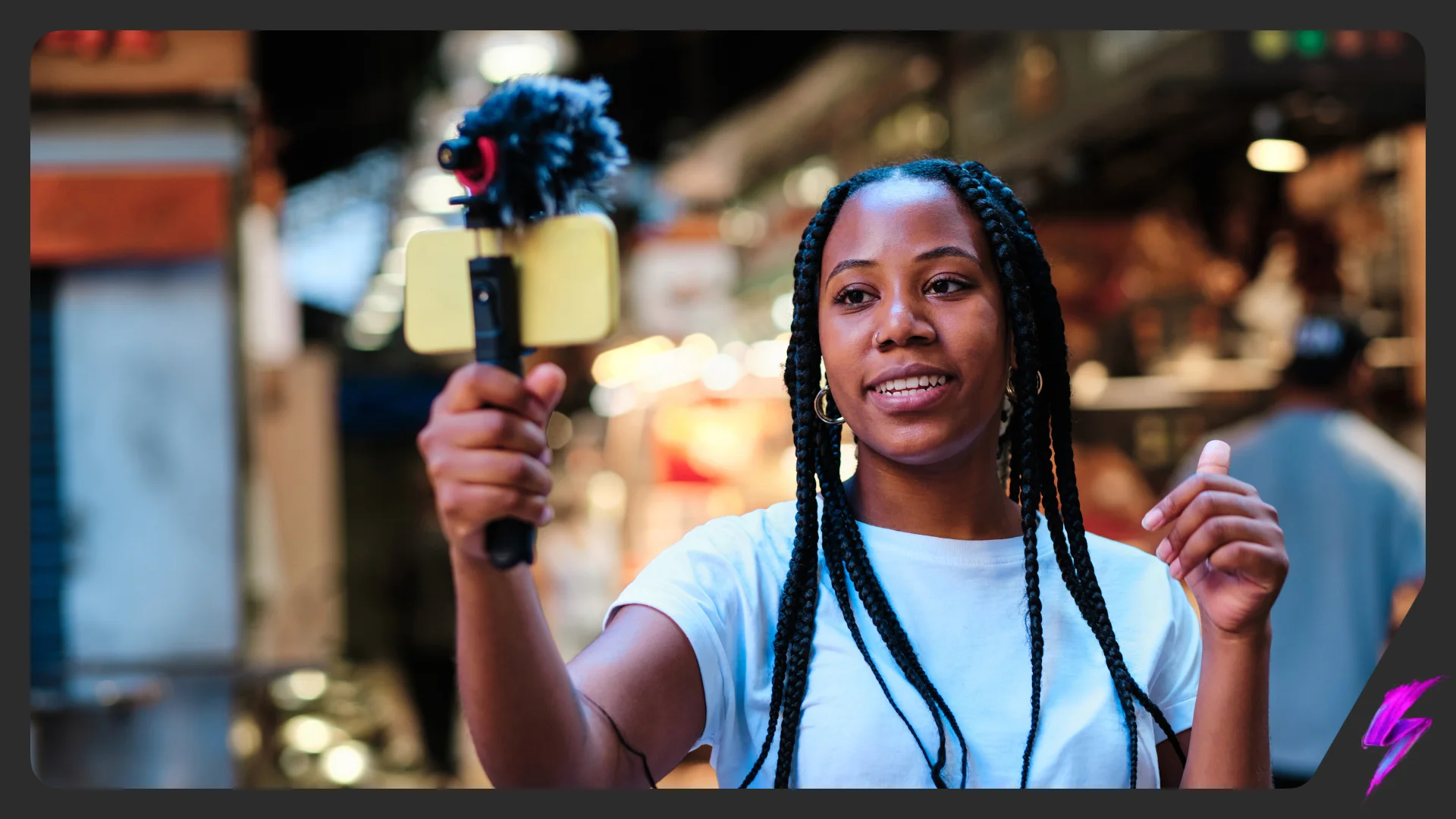
Visual Appeal: Does Your Product Show Well?
Influencer content lives on platforms built around images and video. Products that photograph beautifully or look compelling in motion have a natural home here. Food, beauty, fashion, travel, and lifestyle categories have dominated influencer marketing for this reason.
If your product has qualities that a staged studio shoot cannot fully capture, influencer content can show it in a real-world setting that audiences find far more convincing. The aspiration feels accessible because it is coming from a person rather than a production team.
Demonstrability: Can a Creator Show It in Action?
Reviews, tutorials, and walkthroughs consistently rank among the highest-performing influencer content formats. If your product is more compelling in use than in description, a creator can demonstrate that in minutes in a way no banner ad ever could.
This applies beyond consumer goods. Software tools, productivity platforms, and apps with strong UX all benefit from a credible creator showing the product working in their actual workflow. Seeing is convincing in a way that reading a feature list rarely is.
Buzz Potential: Does Your Brand Benefit from Word of Mouth?
New market entrants and products with a price point that requires trust before purchase benefit significantly from influencer-driven social proof. When a creator whose audience trusts them recommends your product, it compresses the research and consideration phase for potential buyers.
Influencer marketing offers an 11x higher return on investment compared to traditional marketing, and 64% of consumers repeatedly purchase products at least some of the time based on an influencer’s recommendation. For brands where earned credibility drives conversion, the channel consistently outperforms traditional placements.
Who Is Your Audience and Are They on Social?
Even the most visually compelling product will underperform through influencer marketing if the target audience is not active on the platforms where influencers operate. This sounds obvious, but it gets skipped more often than it should.
Social media audiences skew younger and tend to have moderate disposable income. If your product is tailored to older buyers, requires significant financial commitment, or serves a conservative professional audience, the fit may be limited. That is not a failure of the channel. It is simply a mismatch.
The more interesting question is not just who your current audience is, but who you want it to be. If you are trying to reach a younger demographic or put a more energetic face on an established brand, the right influencer partnership can accomplish that in a way that traditional advertising struggles to deliver authentically.
What Are Your Marketing Goals for This Campaign?
Influencer marketing is not equally effective across every objective. The brands that feel burned by the channel are often the ones that went in expecting outcomes the channel was never designed to deliver.
Where influencer marketing genuinely excels is brand awareness, perception shaping, trust building, and organic engagement. It introduces your brand to new audiences through a voice they already trust, in a format they choose to consume rather than one they try to skip.
Where it is less reliable is strict direct response, tightly controlled messaging, or immediate conversion at scale. If those are your primary goals, traditional channels will serve you better. If building credibility and expanding reach are what you are after, influencer marketing is one of the most efficient tools available.
Set your goals before you start outreach. Teams that skip this step end up unable to evaluate whether the campaign worked, which makes every future decision harder.
Is Your Brand Actually Ready to Work With Influencers?
Deciding that influencer marketing fits your brand is only half the question. The other half is whether your brand is operationally prepared to support a creator partnership. Most guides do not spend enough time here, which is exactly why so many campaigns underperform even when the creator is the right fit.
Do You Have the Right Influencers Identified?
Finding the right creator takes more than a follower count search. Values alignment, audience demographics, content quality, and past partnership behavior all matter. Neglecting influencer research is one of the most common mistakes brands make when entering this channel. The wrong choice is not just a wasted investment. It is a brand risk that can follow you beyond the campaign itself.
Is Your Digital Presence Ready for New Traffic?
An influencer driving thousands of new visitors to a dated website or an inactive social profile wastes every impression they generate. Before any campaign launches, make sure your links work, your content is up to date, your cross-platform presence is consistent, and there is a clear path for new visitors to stay connected to your brand.
Do You Have Clear Goals and a Way to Measure Them?
Traditional metrics like direct clicks and immediate sales tell only part of the story for influencer campaigns. Engagement rate, earned media value, brand sentiment shifts, and secondary traffic give a more accurate picture of what the campaign actually delivered. Agree on your measurement framework before the campaign goes live, not after.
Do You Have the Budget for a Real Commitment?
Long-term relationships with influencers allow for consistent brand messaging, increased visibility, and deeper trust with your audience. Influencer marketing is not an overnight channel. It builds through repeated exposure and earned familiarity. Brands that treat it as a one-off test rarely see enough return to justify continuing. Brands that commit to a sustained strategy see compounding results over time.
Why Your Brand Assets Matter More Than You Think?
When a creator agrees to work with your brand, they need materials to do it well: the right logo formats, approved imagery, brand color codes, tone guidelines, and any campaign-specific assets. Without an organized system for managing and sharing those materials, the wrong version of your logo ends up in a video that gets half a million views, or an outdated tagline gets repeated across content you cannot retract.
A centralized brand asset management platform keeps logos, colors, fonts, and brand assets organized in one place with everything structured and easily accessible. For marketing teams managing multiple creator relationships at once, that single source of truth removes the logistical friction that quietly undermines campaigns.
Brandy makes it straightforward to organize assets by campaign, share curated collections with specific partners, and control exactly what each creator has access to. Teams, designers, and partners always have the correct brand assets and guidelines to maintain visual and messaging consistency. That consistency protects the brand identity that every creator partnership is supposed to represent, not just in one post, but across every piece of content the campaign produces.
Ready to Set Up Your Brand Before the Next Campaign?
If your product shows well, your audience is active on social, your goals align with what this channel genuinely delivers, and your brand infrastructure is prepared to support creators properly, influencer marketing is not just right for your brand. It is one of the most effective channels available to you right now.
The brands that get the most out of it are those that do the preparatory work before the first creator brief goes out. Start with your brand assets. Get them organized, accurate, and ready to share. Brandy makes that part simple so your team can focus on the partnerships that drive results.