Brand Management Blog & Resources
In an era where static logos feel dated and user engagement happens across dynamic digital platforms, dynamic brand identities are no longer experimental—they’re essential.
Think of them like algorithms. Inputs go in, and visuals come out. These identities are responsive, flexible, and often interactive, designed to evolve and adapt across mediums, platforms, and even user interactions.
Let’s explore some standout examples of dynamic branding and unpack why this trend is reshaping modern brand strategy.
What Is a Dynamic Brand Identity?
A dynamic brand identity is a visual system that evolves based on variables like context, audience, platform, or input. Unlike traditional logos that remain fixed, dynamic brand systems are fluid and responsive.
Historically, these identities were mostly seen in public institutions (museums, cities, universities) where the need for visual diversity outweighed consistency. But today, as more businesses are digital-first, the medium has shifted—and so have the rules.
Dynamic branding is now used to:
- Personalize user experiences
- Adapt visuals across platforms (social, web, print, apps)
- Reflect a company’s evolving values, voice, and personality
Why Dynamic Branding Is on the Rise
As brands move beyond print and static assets, adaptability has become the new consistency. Dynamic branding is no longer just a design choice — it’s a brand strategy that allows businesses to stay relevant, responsive, and resonant across evolving digital environments.
- Digital-first businesses don’t face the same printing constraints as legacy brands. Dynamic assets thrive in interactive environments.
- Consumers expect personalization—a logo or brand look that adapts to the context can feel more relevant and engaging.
- Animation and interactivity allow brands to stand out in crowded digital spaces.
- Branding tools like Brandy make it easier than ever to manage complex brand systems across teams.
Best Dynamic Brand Identity Examples
From museums to media giants, some of the world’s most innovative brands have embraced motion, variation, and adaptability in their identity systems. Here are standout examples that redefine what a brand can look and feel like in the digital era.
NAi
Author: BMD, See the full case study
Created in 1993 by Bruce Mau, NAi is probably the first example of dynamic brand identity. BMD developed the logo by projecting the image onto a range of different surfaces and materials. The result is a fully kinetic identity that reflects the complexity of the Dutch architectural institute program.
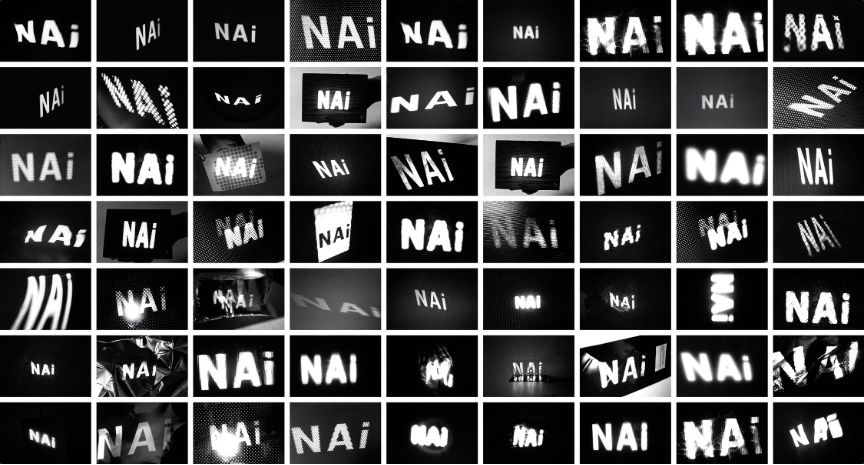


<figcaption>NAi: Detail of the logo projection</figcaption>
Sonantic
Author: Pentagram, Case study: See the full case study
Sonantic is a start-up creating expressive AI-generated voices. The company recently received a new logo from the iconic design studio Pentagram. This dynamic brand identity is a great example of how digital first companies don’t have to stick to the old rules.

Part of the design work from Pentagram is also a custom build app for generating logo assets. Very clear example of what I mean by dynamic brand identities being similar to algorithms. Inputs on the left side, output on the right side.

Monier
Author: Bleed, Case study: See the full case study
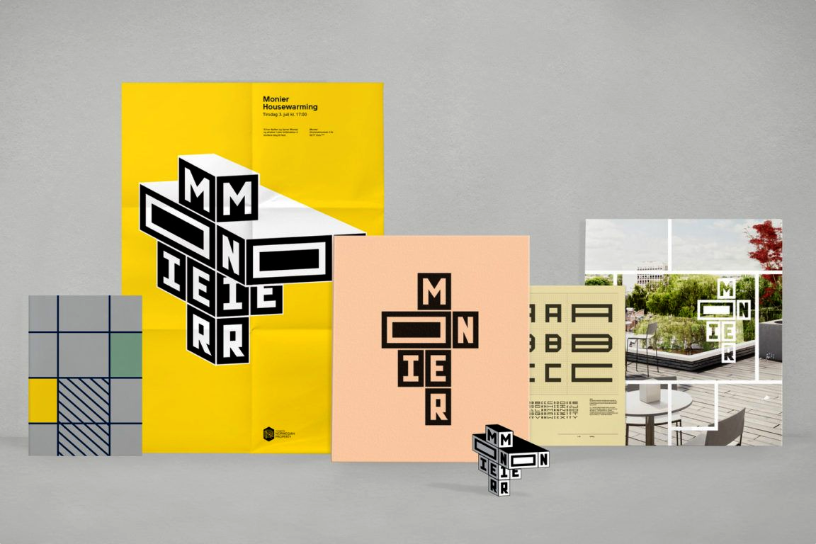
Bleed design studio has derived their idea from three different window sizes which are characteristic for the building. Monier brand identity has more than one dynamic component. First is the variable background photography, the other is a flexible block composition.


Demo
Author: Studio Dumbar, Case study: See the full case study
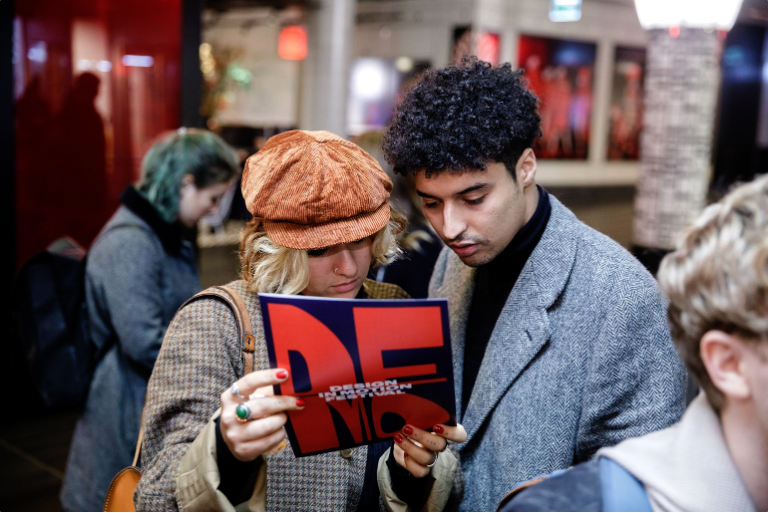
Demo is a festival showcasing work of artists and designers on all 80 digital screens located in Amsterdam Central train station. The animated typography is and bold colors made this standout in the busy environment. You can also see how the logo changes based on your mouse position on the Demo homepage.

NYC
Author: Wolff Olins, Case study: See the full case study
New York City by Wolff Olins is a great example where dynamic brand identity is key to the whole concept. There is only one New York City, but there is no one New York City. An idea that is amplified by the colorful imagery used as a backdrop for the custom typography.


OCAD University
Author: BMD, Case study: See the full case study
Each year, the school invites a select group of graduating students to design a logo within the basic window framework, meaning that the emblem changes annually. This dynamic brand identity created by BMD for OCAD University continues to evolves long after the author had the last say.


<figcaption>OCADU: Examples of brand collateral</figcaption>
Current TV
Author: Wolff Olins, Case study: See the full case study
Although no longer in use, the mapping of the type to an imaginary 3D flag created a distinct brand for Current TV. Definitely a trend setting work by Wolff Olins in 2011.

MIT Media Lab
Author: TheGreenEyl, Case study: See the full case study
Created in 2011, the MIT Media Lab logo featured 45,000 unique variations. Recently replaced by new work from Pentagram, it’s still one of the most well known applications of dynamic brand identity.

MTV
Author: Manhattan Design, Case study: See the full case study
Perhaps one of the most fun and iconic examples in this list is MTV. The logo remained unchanged for nearly three decades because of its fluidity. It could be any color or texture—as well as animated—adapting to the pop culture just like music.

How Dynamic Brand Identities Are Managed Today
The challenge with dynamic brand systems? Managing them.
With dozens—or thousands—of logo variations, color palettes, and motion assets, organizing and sharing brand guidelines becomes a full-time job.
That’s where tools like Brandy step in.
Streamline Your Dynamic Brand with Brandy
Brandy is a modern brand asset management platform built for today’s evolving brands. Whether you have one logo or 1,000 variations, Brandy makes it easy to:
- Upload and organize brand assets (logos, fonts, colors, templates)
- Share branded content via one gorgeous link
- Build customizable brand spaces—perfect for dynamic systems
- Ensure consistency, even across flexible or fluid brand identities
📁 No more scattered files or outdated brand decks. Brandy keeps your dynamic branding… actually manageable.
Final Thoughts: Core Identity, Firm Foundation
Dynamic branding is not a passing trend—it’s a reflection of how flexible, multi-platform storytelling is reshaping consumer expectations. But the secret to success is balancing visual variety with strategic consistency.
With the right foundation—like smart systems, tools like Brandy, and a clear vision—you can create a brand that evolves without losing its essence.