Brand Management Blog & Resources
Trust is the new currency in marketing, and brand authenticity is what earns it. In a world oversaturated with ads, filters, and polished campaigns, consumers, especially Millennials and Gen Z are craving something different: realness. They don’t just want products.They want purpose. They want brands that speak their language, reflect their values, and act with integrity.
Research shows that over 90% of consumers prioritize authenticity when deciding which brands to support. But here’s the catch: less than half believe brands are delivering it. That’s a massive trust gap.And in a time where one misstep can go viral, authenticity isn’t just a trend; it’s survival.
This blog dives deep into what makes a brand truly authentic and how companies across industries are building powerful connections through transparency, mission-driven marketing, and real storytelling. You’ll see how some of the world’s most respected brands, from Patagonia to Dove, are winning hearts by staying true to who they are.
What Makes a Brand Authentic?
Brand authenticity refers to how true a brand stays to its values, voice, and actions. It’s not about what a brand says, it’s about what it consistently does across every touchpoint. An authentic brand doesn’t chase trends or play it safe, it commits to its beliefs and reflects them in every decision.
Here are the core elements that define authenticity:
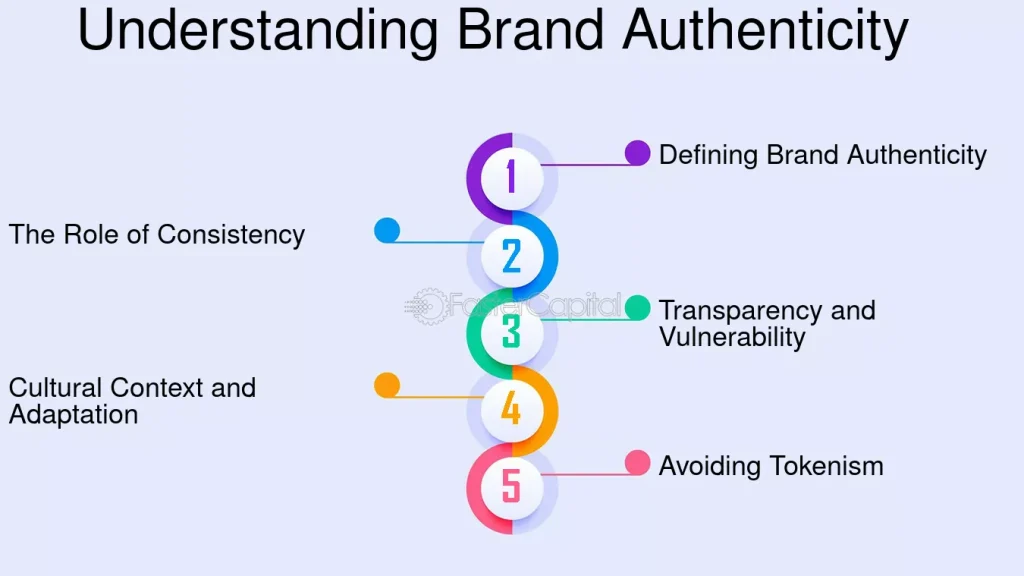
Consistency: Audiences trust brands that are predictable in their messaging, visual identity, and actions. Consistency tells your audience they know what to expect and builds recognition.
Transparency: Today’s consumers value honesty. They want to know where products come from, how they’re made, and what your company stands for. Open communication about practices, even the imperfect ones, builds trust.
Customer-Centricity: Brands that actively listen, respond, and adapt to customer needs earn loyalty. By prioritizing feedback and showing empathy, they humanize their business.
Purpose: Authentic brands have a mission that goes beyond profit. It could be environmental sustainability, social justice, or body positivity. The mission needs to be real and present, not just a tagline.
Storytelling: Great stories spark emotion. Brands that share their origin, failures, and progress with honesty foster deeper emotional connections and stand out.
Differentiation: Copying competitors doesn’t build trust. Unique voices, visuals, and values make brands memorable and believable. Audience sees through fakes.
These elements work together to create a brand identity that doesn’t just look good, it feels right. And that’s what wins in the long run.
The Rise of Authenticity: Why Millennials and Gen Z Demand It

Brand authenticity is no longer a nice-to-have. It’s a must-have, especially if you want to win over Millennials and Gen Z.
These two generations, combined, represent more than half the global population. They’re tech-savvy, socially aware, and incredibly vocal about the values they expect from brands. They’ve grown up surrounded by advertising noise, which makes them experts at spotting anything fake or performative.
Millennials, born between 1981 and 1996, experienced financial instability, rising education costs, and broken promises from institutions. As a result, they developed a deep skepticism toward traditional marketing. They don’t just want to buy a product — they want to know what the brand behind it believes in.
Gen Z takes this even further. Born between 1997 and 2012, they’re the most diverse and values-driven generation yet. They care about inclusion, climate change, mental health, and equity. They align themselves with brands that speak out on these issues and take visible action.
In fact, studies show that Gen Z is more likely to stop supporting a brand if they find its practices unethical, even if the product is good. For them, authenticity is tied directly to identity and social impact.
So if you’re building a brand today, being authentic isn’t optional. It’s what earns attention, builds loyalty, and drives long-term growth.
Brand Authenticity in Action: Real Examples That Work

To truly understand brand authenticity, it’s helpful to look at real companies that are doing it well. These examples span various industries, but they all share one thing in common: they connect with audiences on a human level. From cause-driven campaigns to transparent storytelling, each brand listed here shows how authenticity can build trust and community.
Brands That Take a Stand for a Cause
Patagonia
Patagonia isn’t just a clothing company — it’s a mission-driven movement. From day one, the brand has committed to protecting the environment. It donates a significant portion of profits to environmental causes and even launched a venture fund for sustainable startups. Their messaging doesn’t just sell jackets; it encourages activism. Their slogan, “We’re in business to save our home planet,” isn’t just printed on tags — it’s reflected in every decision they make.
Nike
Nike’s “Believe in something, even if it means sacrificing everything” campaign featuring Colin Kaepernick sparked global conversation. While the ad divided opinions, it was undeniably bold and aligned with the brand’s long-standing theme of empowerment and action. Nike took a stand on a contentious issue and backed it up, earning both praise and criticism — but more importantly, it earned relevance and deepened customer loyalty.
Dove
The Dove “Real Beauty” campaign challenged beauty standards by featuring women of all shapes, sizes, and backgrounds. Dove also promoted body positivity through user-generated content and inclusive messaging. Their recent #ShowUs campaign included real women and non-binary individuals from over 39 countries. Dove rarely leads with product — it leads with purpose.
Aerie
Aerie by American Eagle committed to showing unretouched images and real models with scars, birthmarks, and curves. The brand not only gained attention but also reported consistent double-digit sales growth. Its success shows how being real can pay off in brand love and the bottom line.
Brands Using Real People in Marketing
ModCloth
ModCloth stands out by showcasing real customers in its product photos. Instead of hiring professional models, they feature community members of all shapes and sizes. This approach makes their audience feel seen and valued, fostering loyalty and increasing relatability.
charity: water
This nonprofit organization regularly shares stories of real donors and beneficiaries. In one campaign, they highlighted a six-year-old donor named Nora who gave up her birthday gifts to raise funds. These human moments drive emotional connection and trust in their mission.
National Recreation and Park Association (NRPA)
NRPA spotlights real community advocates and nature lovers in their campaigns. One example featured a woman working to make kayaking more inclusive. These stories not only promote their mission but also reflect the real people they serve.
Brands That Let Their Personality Shine
Liquid Death
This canned water brand completely disrupted the beverage market with its metal-punk branding and over-the-top personality. Phrases like “Murder your thirst” and “Death to plastic” are consistent across their website, packaging, and merch. It may not appeal to everyone, but that’s the point — it speaks directly to their niche audience and creates loyalty through humor and attitude.
Funraise
Funraise is a nonprofit tech company that makes fundraising tools. But they don’t present themselves as boring SaaS. Their website is full of jokes, quirky illustrations, and even a musical. It gives them a unique edge in a typically dry space, and their personality has become part of their brand identity.
Morning Brew
Morning Brew took something dull — financial news — and made it fun, casual, and community-driven. Their newsletter is filled with humor, puns, and personal notes from the team. Over time, they’ve built a cult following simply by sounding human and relatable.
Brands That Actively Listen and Respond to Customers
Dock
Dock’s CEO reads every piece of customer feedback. He publicly shares how it shapes the company’s product roadmap. That kind of transparency, especially from leadership, shows customers that their voices matter.
Genesys
Instead of directing users to a FAQ page, Genesys created a video series to answer real questions asked in their community. These videos show that they care about providing clear, useful answers — not just pushing product.
ASAE (American Society of Association Executives)
ASAE doesn’t just spotlight members — it features internal employees too. Team spotlights and behind-the-scenes stories make the organization more approachable and human, helping people relate to the brand beyond services.
Why Brand Authenticity Is a Strategic Advantage for Modern Marketing
In a time when traditional marketing struggles to cut through the noise, brand authenticity has emerged as one of the most powerful drivers of customer connection and loyalty. Unlike surface-level campaigns, authentic branding builds relationships that are rooted in shared values, truth, and trust.
Brand authenticity refers to how well a company’s values, voice, and actions align across every touchpoint — and whether consumers believe in that alignment. It’s not enough to say you care about sustainability or inclusivity. You have to show it. Consumers are quick to spot contradictions, especially younger generations like Millennials and Gen Z, who expect every marketing message to reflect a brand’s mission, not just its product.
Most brands today still spend marketing dollars chasing attention. But the brands that build trust — and loyal customers — are the ones investing in long-term relationships. They don’t just run a marketing campaign and call it a day. They listen to customer feedback, address customers’ pain points, and communicate honestly even when facing challenges like an environmental crisis or social controversy.
In fact, brand loyalty grows strongest when people feel that a business truly reflects their own beliefs. That’s why authentic branding should be a central part of your strategy. It increases engagement, encourages user generated content, and allows for a more emotionally resonant brand storytelling experience.
If you’re looking to build brand authenticity, start by asking the hard questions:
- Does our mission statement align with what our brand stands for in practice?
- Are we willing to prioritize core values over short-term wins?
- Are we taking time to understand our target audience and what matters most to them?
When you implement solutions rooted in empathy, transparency, and truth, the results go far beyond sales. You create a brand people trust, a voice that feels real, and a platform that delivers positive impact both culturally and commercially.
Lessons from These Authentic Brands
Looking across all these examples, a few patterns emerge. Authentic brands are not afraid to:
- Show vulnerability and admit shortcomings
- Be transparent about how products are made and who makes them
- Tell stories of real people — employees, customers, communities
- Take a stand on issues that matter to their audience
- Develop a tone and personality that reflects their purpose
Whether through mission-driven messaging, user-generated content, or bold values, these brands build real relationships that go beyond transactions. Their authenticity becomes a competitive advantage.
How to Build an Authentic Brand Voice Yourself
You don’t need a billion-dollar budget or a global audience to build brand authenticity. What you need is clarity, consistency, and courage. Here’s how to get started:
1. Start with purpose.
What does your brand stand for beyond selling a product or service? Your mission should guide your decisions, your messaging, and your tone. If you don’t have one yet, talk to your team or customers — you might already be living it without realizing.
2. Be transparent.
People don’t expect perfection. They expect honesty. Share behind-the-scenes content, admit mistakes when they happen, and let your audience see how you work. Transparency builds long-term trust.
3. Feature real stories.
Use customer testimonials, user-generated content, employee highlights, or community case studies. These stories are more powerful than polished ads and add credibility that audiences relate to.
4. Keep your voice human.
Avoid sounding robotic or overly corporate. Whether your tone is professional, quirky, or bold, it should feel like a real person is behind the message. Think of it as having a conversation, not writing copy.
5. Be consistent everywhere.
Authenticity breaks when your website says one thing, your emails say another, and your actions show something else. Align your branding, content, values, and visuals so everything reflects one coherent identity.
6. Respond to feedback.
Your customers will tell you what matters to them — and how well you’re doing. Pay attention to comments, reviews, or social mentions. Respond, engage, and evolve based on what you hear.
Final Thoughts: Authenticity Isn’t Optional Anymore
Today’s consumers are tuned in. They’re educated, skeptical, and looking for brands that reflect their beliefs. They don’t want perfect packaging; they want human connection, real values, and proof that you’re living them.
Brand authenticity is not a trend. It’s a long-term commitment to showing up with honesty and purpose. It’s about proving that your brand means what it says, consistently and confidently. The brands that connect most powerfully, from Nike and Patagonia to ModCloth and Morning Brew, are doing just that.
If you’re ready to build trust, drive loyalty, and create a lasting impact, start with this: be real, be consistent, and be bold about who you are.
Because in the end, the most successful brands aren’t the ones that shout the loudest. They’re the ones that speak the truth, and live it.