Brand perception is more than just what you say about your company; it is what people genuinely think, feel, and say when your name comes up. Whether it is a loyal customer sharing their experience, a potential buyer reading online reviews, or a social media user reacting to your latest campaign, each interaction shapes how your brand identity is remembered.
A strong and positive brand perception is a powerful asset. It helps you build trust, maintain a positive brand reputation, and strengthen your brand equity over time. On the other hand, a negative perception can spread quickly, affecting your ability to attract new customers and retain the ones you already have.
Understanding how people view your brand requires more than assumptions. You need a structured approach that blends social media monitoring, customer feedback collection, and market research to see exactly what your brand represents in the minds of your audience. In this guide, we’ll explore what brand perception really means, why it is critical for growth, and the most effective ways to measure it so you can manage and improve it.
What Exactly Is Brand Perception?
Brand perception is the collective opinion, feelings, and associations people have with your business. It is not just an idea in the minds of your customers; it is shaped by every interaction they have with your products, services, and communication channels.
This perception develops from a mix of direct experiences, brand identity elements, marketing campaigns, and even what people hear about you through word-of-mouth. For instance, the quality of your product or service, the tone of your customer service, and the consistency of your brand’s messaging all influence how people view you.
It is important to note that brand perception research can uncover surprising insights, especially when your internal view of your brand identity does not match how customers actually see it. Your target audience may see you differently from the general public. Loyal customers might associate you with reliability and quality, while others who have not interacted with your brand may rely on social media chatter or online reviews to form their opinion.
The ultimate goal is to ensure this perception aligns with the values and personality you want your brand to represent. When your desired image matches the public’s view, you create a strong brand perception that drives trust and loyalty.
The Power of Perception: Why It Matters for Long-Term Growth
A positive brand perception is one of the most valuable assets a company can have. When customers trust your brand and associate it with quality, integrity, and authenticity, they are more likely to make repeat purchases, recommend you to others, and even defend you during negative publicity. This is the foundation of building high brand equity.
A strong perception does more than drive sales. It creates loyal customers who feel emotionally connected to your brand. These customers are less price-sensitive, more forgiving of minor mistakes, and more engaged with your marketing strategy.
On the flip side, negative brand perception can damage your brand reputation quickly. Poor customer feedback, unanswered negative reviews, or inconsistent brand experiences can deter potential buyers and weaken customer loyalty.
Consider the long-term view: a brand that consistently delivers on its brand promise is more likely to enjoy sustainable growth, while those that ignore perception risk losing relevance. In today’s market, where consumers have endless alternatives, managing brand perception is not optional; it is essential for building a successful business that lasts.
How Brand Perception Is Formed
Brand perception does not appear overnight; it is shaped through every touchpoint between your business and the people who encounter it. Understanding these influences helps you manage and improve brand perception more effectively.
Direct Experiences
The way customers interact with your products, services, and support team plays the most significant role. Delivering exceptional customer service, honoring commitments, and ensuring consistent quality reinforce a positive perception.
Brand Messaging
Your website content, advertising tone, and brand guidelines determine how your message is understood. Clear, authentic communication builds trust, while confusing or inconsistent messages can cause doubt.
Word of Mouth
Personal recommendations, online communities, and social media comments often influence consumer sentiment more than traditional advertising.
Sensory Branding
Visuals, colors, sounds, and other sensory elements shape how people feel about your brand identity. This includes everything from logo design to product packaging.
Cultural and Social Relevance
Brands that align with evolving consumer preferences and societal values often enjoy stronger connections with their target audience.
When these elements work together, they create a brand personality that resonates deeply with consumers, leading to lasting loyalty and advocacy.
Key Indicators That Reveal How People See Your Brand
Measuring brand perception starts with identifying the right signals. These indicators give you valuable clues about how customers perceive your brand and whether their view aligns with your desired image.
1. Online Reviews and Ratings
Monitoring online reviews on platforms like Google, Trustpilot, and Yelp reveals unfiltered customer sentiment. A high ratio of positive reviews often reflects a strong reputation, while a pattern of negative feedback signals areas for improvement.
2. Social Media Mentions
Tracking brand mentions, hashtags, and social media comments can help identify recurring themes in consumer sentiment. Engagement patterns on different social media platforms also reveal which channels are most effective for your messaging.
3. Repeat Purchases and Loyalty
Metrics like repeat purchase rates and customer loyalty scores indicate whether customers trust your brand enough to return.
4. Engagement Analytics
Website metrics such as time on page, returning visitors, and bounce rates provide insights into how engaged people are with your brand’s messaging.
5. Brand Recall and Recognition
Surveying your target market about their ability to recognize and recall your brand compared to competitors offers direct insight into brand visibility and memorability.
By regularly tracking these indicators, you can spot shifts in perception early and take action before they impact your brand equity.
Proven Ways to Measure Brand Perception
Once you know the signs to look for, the next step is to apply practical methods to track and analyze your overall brand perception. Combining qualitative and quantitative approaches will give you a clearer picture of how customers perceiveyour brand.
Customer Surveys and Polls
Brand perception surveys are one of the most direct ways to gather insights. You can ask questions about brand identity, product satisfaction, and likelihood to recommend your brand. Tools like Google Forms, Typeform, or SurveyMonkey make it simple to collect responses.
Social Listening and Sentiment Analysis
Using social media monitoring tools such as Hootsuite that lets you track brand mentions, measure consumer sentiment, and spot trends over time.
Review and Feedback Monitoring
Regularly reviewing online reviews and gathering customer feedback helps you understand strengths and weaknesses from the customer’s perspective.
Website and Engagement Analytics
By tracking user behavior on your website, you can see how well your brand’s messaging resonates. Bounce rates, click-through rates, and returning visitor stats can all reveal how engaged your audience is.
Net Promoter Score (NPS)
NPS measures how likely customers are to recommend your brand. High scores indicate positive brand perception and loyalty, while lower scores signal potential issues that need addressing.
Together, these methods provide valuable insights that help shape both your short-term actions and long-term marketing strategy.
How to Act on Brand Perception Insights
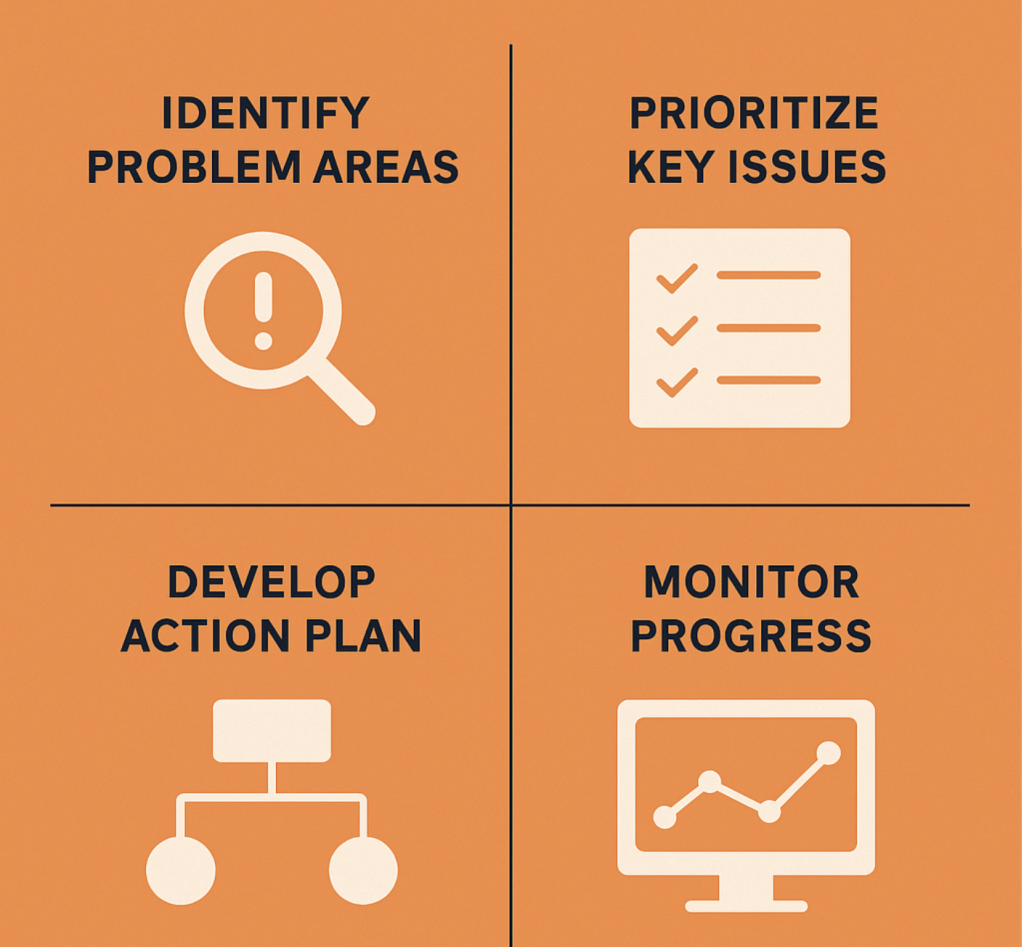
Collecting data on brand perception is only valuable if you use it to make informed decisions. Turning feedback into action requires a mix of strategic planning and operational changes that align with your brand identity.
Identify Strengths and Weaknesses
Look for recurring positive mentions to understand what you are doing right. At the same time, pay close attention to negative feedback that highlights areas for improvement.
Connect Perception Data to Business Goals
Link your perception metrics with key objectives in your marketing strategy. For example, if improving customer loyaltyis a priority, focus on initiatives that address common loyalty drivers.
Act Quickly on Emerging Issues
Respond promptly to negative reviews or social media concerns. Fast, transparent communication can prevent small issues from damaging your brand reputation.
Keep Monitoring
Brand perception is dynamic. Continue social media monitoring, run surveys, and track consumer sentiment regularly to ensure your actions are delivering the desired results.
By closing the loop between measurement and action, you can manage brand perception effectively and align it with the image you want to project.
Strategies to Improve Brand Perception
Improving how customers perceive your brand takes consistency, authenticity, and a clear understanding of your brand identity. These strategies help build a stronger connection with your audience and create a lasting positive brand image.
Refine Brand Messaging
Ensure your brand’s messaging reflects your core values and unique selling proposition. Consistent tone and voice across all channels increase trust.
Deliver Consistent Experiences
Follow your brand guidelines to maintain a unified look, feel, and tone across your website, packaging, social media platforms, and customer communications.
Strengthen Customer Service
Exceptional customer service is one of the fastest ways to improve brand perception. Provide timely responses, personalized solutions, and proactive follow-ups to enhance customer satisfaction.
Tell Your Brand Story
Share your brand story through content marketing, interviews, and campaigns. Stories create emotional connections and differentiate you from competitors.
Invest in Community Building
Engage your target audience through events, partnerships, and social causes that align with your values. This strengthens loyalty and encourages positive word of mouth.
Be Transparent and Authentic
Authenticity helps prevent changing brand perception from slipping in the wrong direction. Admit mistakes, communicate openly, and stay true to your values.
With these strategies in place, you can create a strong brand perception that supports long-term success and attracts loyal customers.
Common Mistakes That Damage Brand Perception
Even well-established brands can lose trust if they overlook certain pitfalls. Recognizing these mistakes is key to protecting your brand reputation and maintaining a positive brand image.
1. Overpromising and Underdelivering
Failing to meet your brand promise can quickly erode trust and lead to negative reviews. Always ensure your claims match what you deliver.
2. Ignoring Customer Complaints
Overlooking negative feedback or responding late can make customers feel undervalued. Acknowledge issues quickly to prevent long-term damage.
3. Inconsistent Branding
Not following your brand guidelines across platforms can confuse your target audience and weaken your identity.
4. Being Slow to Adapt
Ignoring shifts in consumer preferences or market trends can lead to outdated perceptions. Keep an eye on your brand’s social presence to stay relevant.
Avoiding these mistakes ensures your overall brand perception remains strong and aligned with your business goals.
Measuring Brand Perception Is an Ongoing Process
Your brand perception is never static. It evolves with every customer interaction, marketing campaign, and industry shift. Measuring it once is not enough; you need to track it regularly to spot changes early.
This means making brand perception surveys, social media monitoring, and review tracking part of your ongoing marketing strategy. By doing so, you can act on valuable insights quickly, reinforcing your strengths and addressing weaknesses before they affect your brand equity.
Brands that embrace continuous perception tracking are better equipped to adapt to consumer preferences and maintain a positive brand image in a competitive market.
Conclusion: Making Brand Perception Work for You
Managing how customers perceive your brand is not just about protecting your brand reputation; it is about building a business people trust and love. By measuring perception through surveys, feedback, and social media monitoring, you gain the clarity needed to guide your actions.
A strong, consistent brand identity backed by authenticity and exceptional customer service can turn casual buyers into loyal customers. Keep listening, adapting, and delivering on your brand promise, and you will create a perception that drives growth for years to come.