With digital trends shifting overnight and customer loyalty harder to earn, brands today must constantly evolve to maintain relevance and trust. A brand transformation is more than a rebranding effort or a new logo; it’s a strategic evolution that redefines your brand identity, strengthens customer loyalty, and ensures your brand remains competitive.
Successful brands like Apple, Airbnb, and Nike didn’t just refresh their visuals; they reshaped their brand strategy and core values to connect with a new generation of audiences. This transformative journey involves realigning your business strategy, brand promise, and visual identity so that every interaction reflects a deeper purpose.
A strategic brand transformation starts with a clear understanding of your target audience, their customer needs, and how your brand experience can create meaningful engagement across digital channels. It takes market research, customer feedback, and a commitment to brand consistency to make a transformation successful.
When executed with vision, the brand transformation process revitalizes your brand equity, boosts brand recognition, and builds a shared vision across teams. It’s not about a complete overhaul, but a purposeful shift that makes your company’s brand future-ready and emotionally resonant.
Understanding Brand Transformation
A brand transformation goes far beyond changing colors or updating a logo. It’s a complete reimagining of how a brand is perceived, how it behaves, and how it connects with people. At its heart, it’s about aligning your brand identity with your business strategy, values, and the expectations of your target audience.
Unlike a simple brand refresh or rebranding campaign, a transformation touches every layer of your company. It involves redefining your brand promise, reshaping customer experiences, and reinforcing your core values through consistent action. The process may start with a discovery phase that involves understanding your brand’s core values, current brand equity, and market position, but it extends into culture, leadership, and communication.
Successful brands approach transformation as a journey, not a one-time project. Companies like Adobe and Lego have proven how reshaping brand perception can unlock growth. Adobe transformed from a boxed software seller into a cloud-based creative ecosystem, while Lego reconnected with a younger audience by embracing digital play. Both examples show that transformation is about staying relevant, not reinventing identity.
A strategic brand transformation empowers teams to work toward a shared vision, ensuring that your brand experience, visual identity, and marketing materials reflect a unified direction. It’s this depth beyond visuals that separates a successful brand transformation from a rebranding effort.
Brand Transformation vs. Rebranding: What Sets Them Apart
Although often used interchangeably, brand transformation and rebranding serve different purposes and have distinct impacts on how a company’s brand evolves. A rebrand focuses primarily on external elements such as a new logo, refreshed colors, or updated marketing campaigns. It helps modernize the brand image to attract attention or reposition the brand in a crowded market.
A brand transformation, on the other hand, reaches far deeper. It involves redefining the brand strategy, reshaping internal culture, and ensuring every touchpoint from customer experience to marketing materials aligns with the company’s long-term vision. While a rebranding process might change how your brand looks, a transformation changes how your brand works.
Think of rebranding as a visual makeover, while transformation is a strategic reinvention. For example, when a company expands into new markets, adopts new technologies, or shifts its core values, it requires transformation to align its brand identity and business strategy.
In simple terms, a rebrand says, “We look different,” but a transformation says, “We are different.” When planned and executed well, a successful transformation strengthens brand equity, builds customer loyalty, and positions the brand for long-term relevance in an evolving marketplace.
Key Drivers Behind Brand Transformation
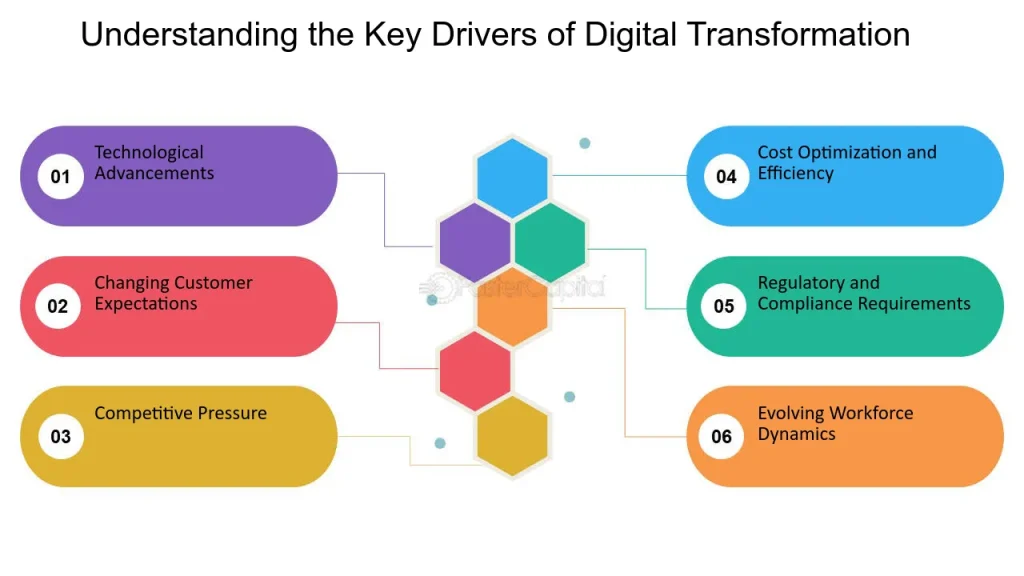
Every brand transformation begins with a reason, a powerful trigger that pushes companies to evolve. In most cases, the shift is driven by a mix of market forces, customer expectations, and internal changes that require the brand to adapt in order to stay relevant and competitive.
Market and Customer Shifts
Customer behaviors and values evolve over time. Modern consumers expect personalization, sustainability, and seamless digital experiences. When expectations rise, brands must realign their brand strategy and brand experience to meet those demands. For instance, traditional retailers transitioning into eCommerce undertook full-scale transformations to connect with digital-first audiences.
Technology and Innovation
The rise of AI, automation, and new digital channels has changed how brands communicate. Companies must embrace these technologies to stay agile, improve consistency, and maintain a strong brand identity across touchpoints.
Business Strategy Changes
Mergers, acquisitions, or new product lines often require a unified brand promise. A transformation ensures that all marketing materials, visual identities, and customer interactions reflect a shared vision and consistent voice.
Evolving Company Culture and Core Values
When a company redefines its purpose or commits to inclusivity, innovation, or sustainability, the brand must evolve to mirror those values.
Ultimately, these drivers show that a successful brand transformation is not reactive; it is strategic. It ensures that your brand remains relevant, your teams stay aligned, and your customers stay emotionally connected in a rapidly changing world.
Core Elements That Transform During the Process
A brand transformation process reshapes far more than visuals or slogans. It influences how a company thinks, communicates, and delivers value to its target audience. To ensure a successful brand transformation, organizations must look beyond surface-level updates and focus on the essential pillars that drive meaningful change.
Strategic Foundations
Every transformation begins with clarity. This involves revisiting your brand purpose, core values, and unique value proposition to define who you are and what you stand for. Aligning your business strategy and brand identity ensures that your internal culture supports your external message.
Visual Identity
Your visual presence, including colors, typography, imagery, and design systems, should evolve to express your new direction. A consistent and modern visual identity strengthens brand recognition and communicates progress without alienating existing customers.
Brand Messaging and Voice
The tone of your communication must evolve with your new identity. Whether through marketing materials, advertising campaigns, or social media, your message should reflect your renewed brand promise and resonate with your evolving audience.
Customer Experience
Transforming how customers interact with your brand is key. From digital platforms to physical touchpoints, every experience should express your brand personality and brand values, reinforcing emotional connections.
Internal Culture and Brand Governance
True transformation starts within. When employees embody your brand’s core values, consistency naturally flows outward. Reinforce this with clear brand guidelines and accessible tools that help teams stay aligned, whether they’re creating content, designing assets, or running marketing campaigns.
Each of these elements works together to create a transformed brand that not only looks different but feels different, authentic, future-ready, and connected to the people who matter most.
Challenges You’ll Face During Brand Transformation
Embarking on a brand transformation journey is inspiring, but it also brings real challenges that test your organization’s adaptability and vision. Recognizing these early helps ensure a smoother, more strategic transformation.
Internal Resistance
One of the most common hurdles is internal resistance. Employees often struggle to adapt to a new brand identity or updated brand guidelines, especially if the change feels sudden or unclear. To overcome this, involve teams from the start, communicate openly, and connect the transformation to your shared vision and long-term business strategy.
Maintaining Consistency Across Channels
When multiple teams handle marketing materials, campaigns, or social media, maintaining consistency becomes difficult. Without clear governance, outdated visuals and messages can appear. A centralized brand management platform ensures alignment and keeps everyone using the latest approved assets.
Global and Cultural Complexities
For companies operating in multiple regions, cultural and language differences can complicate rollout. Brands must localize their tone and visuals while preserving a unified brand image.
Measuring ROI and Success
It’s often challenging to quantify transformation results. Establish measurable goals around brand recognition, customer engagement, and internal adoption early on. Tracking progress helps teams stay accountable and motivated throughout the transformation process.
The Step-by-Step Framework for a Successful Brand Transformation
A successful brand transformation requires structure, clarity, and alignment across every department. It’s not a one-time event but a carefully managed process that unfolds in stages. Here’s a proven framework to guide your transformation journey.
Assess and Audit Your Current Brand
Start by taking a deep look at where your brand identity stands today. Conduct a full audit of your visual assets, marketing materials, messaging, and customer touchpoints. Use market research and customer feedback to understand how your brand is currently perceived and where gaps exist. Identify strengths to retain and weaknesses to address.
Define Clear Goals and Strategy
Connect your transformation directly to your business strategy. Are you entering new markets, modernizing your image, or redefining your core values? Set measurable goals such as improving brand recognition, boosting engagement, or increasing internal adoption. Document these goals clearly to guide every decision that follows.
Build a Strong Governance and Tools System
A transformation is only as effective as the systems supporting it. Establish brand guidelines that evolve in real time and centralize all creative assets in a single hub. Use tools that help ensure consistency across teams and make it easy for both creative and non-creative members to stay aligned.
Roll Out in Phases
Avoid a sudden launch. Instead, roll out your new brand strategy in stages, whether by department, region, or channel. Pilot programs allow you to collect feedback and refine processes before scaling. Internal ambassadors can help drive adoption and excitement within teams.
Measure, Refine, and Grow
Transformation doesn’t end at launch. Continuously track progress through metrics like brand awareness, consistency rates, and customer engagement levels. Encourage teams to share insights from real-world application and make iterative updates to improve your brand experience.
When executed with patience and purpose, this framework ensures that your brand transformation process not only refreshes visuals but strengthens trust, unity, and long-term brand value. The key is consistency, where every action, asset, and message should reinforce your new direction.
Technology’s Role in Modern Brand Transformation (200 words)
Technology has become the driving force behind every modern brand transformation. In today’s connected world, digital tools enable brands to evolve faster, maintain consistency, and deliver meaningful experiences across every touchpoint.
Modern brand management platforms make it possible to organize and update brand guidelines, assets, and templates in real time. Instead of relying on static PDFs or scattered folders, teams can now collaborate through centralized systems that ensure accuracy and accessibility. This eliminates confusion and helps maintain a unified visual identity across all digital channels.
Artificial intelligence and automation also play a major role in optimizing brand workflows. From automatic tagging of creative assets to content personalization and performance tracking, technology empowers brands to make data-driven decisions that improve efficiency and strengthen brand recognition.
Moreover, integrations between creative, marketing, and content systems ensure that all teams, from designers to marketers, work with the same approved assets, messaging, and templates. This not only ensures brand consistency but also speeds up execution.
Ultimately, technology transforms branding from a manual, time-consuming process into a living system that evolves with your business. It bridges creativity and governance, helping your brand remain relevant and consistent in a fast-changing digital age.
How Brandy Empowers Future-Ready Brand Transformation

A modern brand transformation needs more than strategy; it requires the right tools to bring that strategy to life. That’s where Brandy comes in.
Brandy helps organizations streamline every step of their transformation journey with a centralized brand hub that keeps assets, templates, and brand guidelines in one accessible place. Teams can easily maintain a unified visual identity across global offices, creative teams, and partners without worrying about outdated files or inconsistent messaging.
With Brandy’s smart organization system, you can manage multiple brands or sub-brands, track brand assets in real time, and ensure that everyone, from designers to marketers, works from the same approved materials. Its collaborative features simplify governance, while dynamic updates keep your brand identity consistent across digital channels and marketing materials.
Brandy empowers businesses to evolve confidently, ensuring every transformation feels seamless, cohesive, and ready for the future.
Conclusion: Evolve, Don’t Just Refresh
A true brand transformation is not about a quick makeover or a new logo; it’s about redefining your brand’s core values, strengthening brand recognition, and creating meaningful connections with your target audience. The most successful brands evolve continuously, guided by purpose and strategy rather than trends.
When your brand identity, culture, and business strategy move together, transformation becomes more than a project; it becomes a mindset. With the right tools, vision, and commitment, your transformed brand will not only adapt to the future but shape it. The goal is not just to stay relevant; it is to lead with authenticity.