
Brand Management Blog & Resources
In a world filled with logos, slogans, and mission statements, the terms “company” and “brand” often get tossed around interchangeably. But are they really the same? Picture this: you’re sitting in a cozy café, sipping your favorite coffee. Let’s call it Brew Magic. You love the ambiance and the delightful aroma of freshly roasted beans. Brew Magic is more than just a place. They have a story, a vibe, and a promise that resonates with you. But is Brew Magic a company or a brand? Or perhaps both?
Think of a company as the nuts and bolts, the legal machine that makes and sells things. Now, a brand? That’s the personality, the vibe, and the reputation that people know and love. Getting your head around the differences between these two is key if you’re diving into the world of business. It’s like understanding the difference between the car and the road trip!
Key Takeaways
- A company is a legal entity responsible for conducting business activities, while a brand represents the identity and perception shaped by customer experiences and marketing efforts.
- Effective branding fosters customer loyalty, differentiates offerings in the marketplace, and contributes to long-term business success by creating emotional connections with consumers.
- Companies often operate multiple distinct brands to target diverse market segments, utilizing tailored branding strategies to enhance customer recognition and loyalty.
Defining a Company
A company is fundamentally a legal entity created to produce and sell the company’s products or services. It operates as a structured organization, recognized by law, and is responsible for its business activities.
This entity can take various forms, including:
- Sole proprietorships
- Partnerships
- Limited liability companies (LLCs)
- Corporations
Each structure offers different levels of liability protection and tax treatment, catering to diverse business needs and risk profiles.
Limited Liability Companies (LLCs) are particularly popular due to their flexible taxation and personal asset protection features, combining the benefits of a limited liability company and corporations. Corporations, on the other hand, are esteemed as separate legal entities from their owners, providing shareholders with limited liability. Regardless of the structure, companies are accountable for their debts, and in the event of bankruptcy, only business assets are at risk.
The primary purpose of a company is to conduct business activities, contributing to the economy through taxes paid on profits. Regulations governing companies can vary significantly across jurisdictions, impacting how businesses operate globally. Understanding these foundational aspects is crucial for anyone involved in business, from entrepreneurs to seasoned executives.
What Is a Brand?
While a company is a legal entity, a brand is the soul that breathes life into it. A brand refers to the identity and reputation built over time through marketing efforts, customer service, and overall consumer experience. It’s the image that distinguishes a company, product, or service in the minds of consumers. In essence, a brand encapsulates the emotional connection and perception that customers have towards a company’s offerings.
The word “brand” involves various elements, both tangible and intangible, that collectively shape its perception. These include the name, logo, design, packaging, advertising, and customer experiences. Each element plays a crucial role in creating a cohesive and recognizable identity that stands out in the marketplace.
Branding is the process that gives a company a distinctive look and voice, making it memorable and relatable to its target audience. Through internal branding and consistent messaging, companies can reinforce their brand’s identity, ensuring that it resonates well with consumers. This involves not just marketing efforts but also the internal culture and values that the company upholds.
Quick Comparison: Company vs Brand
| Feature | Company | Brand |
|---|---|---|
| Definition | Legal entity conducting business | Emotional and visual identity |
| Focus | Operations, revenue, compliance | Customer perception, loyalty, storytelling |
| Tangibility | Tangible (documents, structure) | Intangible (feelings, recognition) |
| Longevity | Can outlive brands or be short-lived | Can outlast company if managed well |
| Examples | LLC, Corporation | Apple, Nike, Coca-Cola |
Key Differences Between a Company and a Brand

The distinction between a company and a brand is akin to the difference between a body and a soul. A company is a legal entity formed for profit or non-profit activities, responsible for conducting business operations. In contrast, a brand represents the identity and persona of a company, encompassing the overall perception of its products or services.
The perception of a company tends to revolve around its overall reputation and trustworthiness. Is the company reliable? Does it deliver on its promises? These are the questions that shape a company’s identity. On the other hand, a brand’s perception can be more adaptable, focusing on specific products and their unique attributes. For instance, while a company might be known for its innovation, a particular brand under its umbrella could be celebrated for affordability or luxury.
Effective branding is crucial for creating customer loyalty and differentiating a company from its competitors in the marketplace. A strong brand can evoke emotions, tell a story, and build a loyal customer base that transcends the basic transactional relationship. Understanding these key differences is vital for any business aiming to thrive in a competitive landscape.
The Role of Branding in Business Success
Branding is not just about logos and taglines; it’s about creating an emotional connection with consumers. Through storytelling and a distinctive personality, brands can establish a profound emotional bond with their audience. This connection can be enhanced by the use of online tools like the AI Story Generator that can make your message stand out from others. Storytelling is pivotal in cultivating customer loyalty, which in turn enhances overall customer relationships and business success.
Good branding helps to build trust and customer loyalty, which are essential for long-term success. Branding differentiates a company’s offerings, avoiding the pitfall of being perceived as a faceless entity. A clear brand image provides a competitive edge by evoking positive emotions and associations in customers’ minds.
Investing in branding can significantly increase recognition and recall, ultimately boosting sales and revenue. Additionally, a strong brand can draw in investors. It also helps to attract top talent that shares the company’s values. In a crowded marketplace, businesses that prioritize exceptional customer service and innovative marketing strategies are more likely to enhance their brand and stand out from competitors.
How Companies Use Brands to Target Different Markets
To cater to diverse market needs and preferences, companies often operate multiple distinct brands. For example, Coca-Cola has diversified its beverage offerings beyond its flagship soda to include options like Sprite and VitaminWater. Similarly, Unilever’s extensive portfolio includes major brands such as Dove and Lipton, which are recognized independently by consumers.
✨ Check out: Coca Cola’s Brand Guidelines
Owning several brands allows companies to diversify their market presence and target specific customer segments. This strategy allows them to cater to different needs and preferences, thereby maximizing their market reach. For instance, PepsiCo has expanded from soft drinks to include a wide range of snack brands like Doritos and Lay’s.
✨ Check out: Pepsi Brand Guidelines
Organizations often prioritize promoting brands over the company name in consumer markets to create stronger connections with audiences. This approach helps in building brand loyalty and recognition, as consumers relate more to brand names than the overarching company identity. Tailoring branding strategies to specific market sectors allows companies to effectively engage with their target audience.
Corporate Image vs Brand Image
Corporate image and brand image are two sides of the same coin but serve different purposes. A corporate image includes the overall reputation of a company. It is linked to qualities like innovation, trustworthiness, effective management, profitability, customer focus, and a commitment to quality. Companies emphasize their corporate image by differentiating themselves and building confidence among customers.
Brand image, on the other hand, is more focused and specific. It is influenced by both the identity of the brand and how the audience interprets it.
A business brand may promise its customers:
- lower costs
- improved productivity
- higher performance
- reduced maintenance time
This targeted promise helps in creating a distinct brand image that resonates with its audience.
While the corporate image reflects the company’s overall standing and values, the brand image is about the individual experiences and perceptions related to specific products or services. Understanding the distinction between these two helps in crafting more effective branding and corporate strategies.
Building a Strong Brand
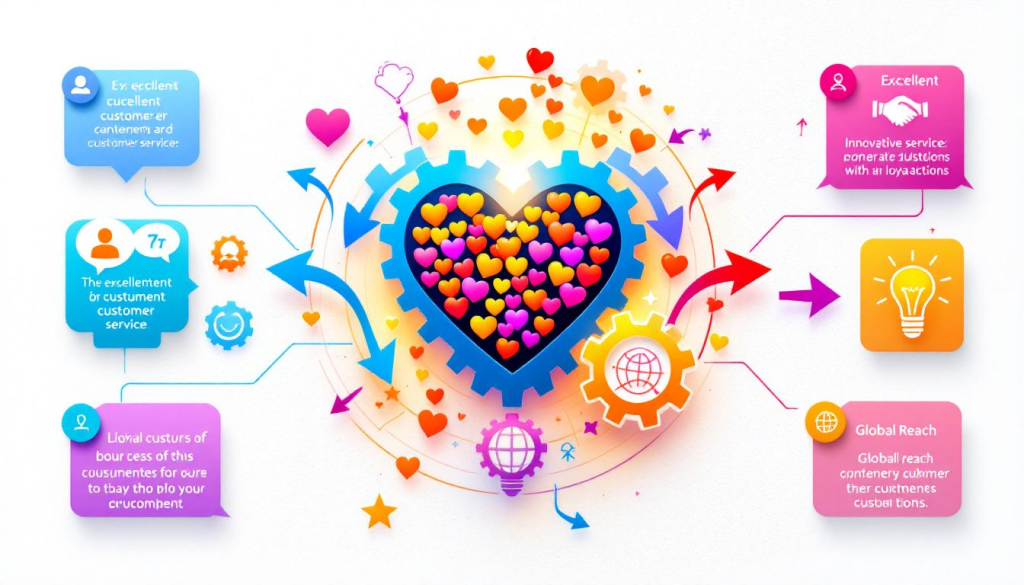
Building both a strong brand is akin to constructing a solid foundation for a skyscraper. A strong brand exhibits a clear message, memorable logo, and consistent visuals. Consistency across all platforms enhances brand recognition and credibility, making it easier for customers to relate to and remember the brand. Modern brands are also leveraging technology, such as AI video generators, to create high-quality, consistent video content efficiently, ensuring their brand story remains engaging across digital platforms.
Consistent visual elements, such as logos and color schemes, play a vital role in brand recognition and trust. The brand image is shaped by customer interactions, product experiences, and visual identity elements. Staying true to your brand’s core values while adapting to trends maintains trust and credibility with your audience.
Using clear and authentic language helps convey your brand’s message without confusion. This authenticity resonates with consumers, fostering loyalty and a strong emotional connection. In sum, a well-crafted brand strategy is essential for distinguishing your business in a crowded market.
Streamline Your Brand with Brandy

Under the umbrella of building a strong brand, having the right tools can make all the difference. Enter Brandy, the brand asset management tool that’s literally for everyone. It’s like having a personal assistant for your brand, keeping everything neat and accessible.
Imagine being able to share your brand guidelines—logos, colors, fonts, icons—all tidily presented in one gorgeous, shareable link. Whether you’re part of a sprawling corporation or an indie startup, Brandy makes it easy. Plus, it’s free forever, so you can focus on what really matters: building that unforgettable brand identity.
But wait, there’s more! Brandy isn’t just about storage; it’s backed by big names like Adobe Fund and WPBeginner, so you know it’s legit. With features such as built-in file conversions and customizable brand spaces, you can keep your brand’s assets secure and always ready for action. And don’t forget those handy blocks for fonts, colors, and enhanced layouts that make organizing your brand essentials a breeze.
So if you’re serious about branding, Brandy gives you the tools you need to make a lasting impression. With everything at your fingertips, you’re well-equipped to establish and maintain a powerful brand presence.
✨ Get started with Brandy today! ✨
Balancing Company Growth and Brand Development

Balancing brand growth and business growth is essential to avoid loss in profitability or brand dilution. Investing in branding can lead to higher customer retention rates, which is crucial for maintaining revenue. Companies that prioritize internal branding are more likely to maintain consistency in their brand messaging, both internally and externally.
Procter & Gamble is a prime example of a company that has successfully balanced company growth with brand development. With over 25 brands each generating more than $1 billion in annual sales, the company showcases the effectiveness of a diverse brand portfolio. This balance allows businesses to expand without compromising the integrity and value of their brands.
In today’s competitive landscape, maintaining this balance requires strategic planning and continuous investment in both business operations and branding efforts. By doing so, companies can achieve sustainable growth and long-term success.
Overall Summary
The journey through understanding the difference between a company and a brand reveals the intricate dance between legal structures and emotional connections. A company operates as a legal entity that conducts business activities, while a brand embodies the reputation and image associated with the company’s products or services.
The main distinction lies in the fact that a company is a structured organization, whereas a brand is an intangible asset shaped by customer perceptions and experiences. Understanding this difference is crucial for effective identity management and strategic development in business.
The establishment of a strong brand is critical for enhancing customer loyalty and establishing market presence, which are essential for a company’s success. Whether it’s through storytelling, consistent visuals, or strategic market targeting, the power of a brand cannot be underestimated.
Final Thoughts: Company vs Brand
The distinction between a company and a brand is more than just semantic; it’s fundamental to business strategy. A company provides the structure and framework for business activities, while a brand creates the emotional connections that drive customer loyalty and market success.
Strategic branding is essential for differentiating your business in a competitive market. By understanding and leveraging the unique roles of both a company and a brand, businesses can achieve sustainable growth and long-term success.
As you navigate your business journey, remember that a strong brand is built on consistency, authenticity, and a clear message. Embrace these principles, and you’ll be well on your way to creating a brand that resonates with your audience and stands the test of time.
Frequently Asked Questions
Yes, a company can be called a brand if its name is used synonymously to represent its products or services in the market. However, it is important to note that a company name and a brand name are not always the same.
Effective branding significantly contributes to business success by building trust and customer loyalty, enhancing recognition, and providing a competitive advantage through the positive emotions it evokes in customers. Cultivating a strong brand can lead to lasting relationships and increased market share.
Yes, a company can own multiple brands to diversify its market presence and effectively target specific customer segments. This strategy is exemplified by industry leaders such as Coca-Cola and Unilever.
The difference between corporate image and brand image lies in their scope; corporate image pertains to the overall reputation of the company, whereas brand image is concerned with the perceptions specific to individual products or services. Understanding this distinction is crucial for effective marketing strategies.