Brand craft is more than just beautiful design. It is the soul of how a company tells its story, defines its voice, and connects with people. From small startups to established businesses, every brand’s success begins with a strong sense of purpose and identity.
A great brand is not built overnight. It takes an immersive process, creativity, and strategy to uncover what truly makes a business unique. That is why leading agencies and full service marketing firms focus on more than visuals. They dig deep to align values, vision, and audience, crafting brands that feel authentic and alive.
Now a new chapter in branding has begun. Artificial intelligence is transforming how teams create, manage, and evolve brands. Still, the real power lies in human creativity that gives every brand its heart.
The Rise of Ubiquitous Brand Tools
The world of branding has changed faster than ever. What once required a full creative team can now be done with a few clicks. From logo generators to AI design assistants, the tools for building brand assets are now accessible to anyone with a screen and an idea.
This shift has created endless possibilities. Startups, small businesses, and entrepreneurs can now design professional-looking visuals, color palettes, and websites without needing a full service marketing firm. Yet this same accessibility has raised the bar. Looking polished is no longer a competitive advantage. It is simply the starting point.
Modern brand craft now demands something deeper than templates and ready-made graphics. Companies must tell real stories, define their values, and deliver experiences that feel genuine. The future of brand identity depends not on how easily we can create, but on how meaningfully we can connect.
The New Differentiator: Authenticity and Narrative
When everyone can design something beautiful, authenticity becomes the true mark of distinction. A brand’s power no longer comes from perfect visuals but from a story that feels real. People connect with brands that speak their language, share their values, and show what they stand for.
Authentic storytelling transforms a business into something more than a logo or color palette. It builds trust, shapes perception, and turns customers into communities. A genuine brand voice helps audiences feel a sense of belonging that no automated system can replicate.
For modern brands, authenticity is not a trend. It is the foundation of loyalty. Companies that focus on purpose and transparency will always outshine those that chase trends or mimic others. In the age of automation, the most powerful strategy is still human honesty.
How AI Enhances Not Replaces Brand Craft
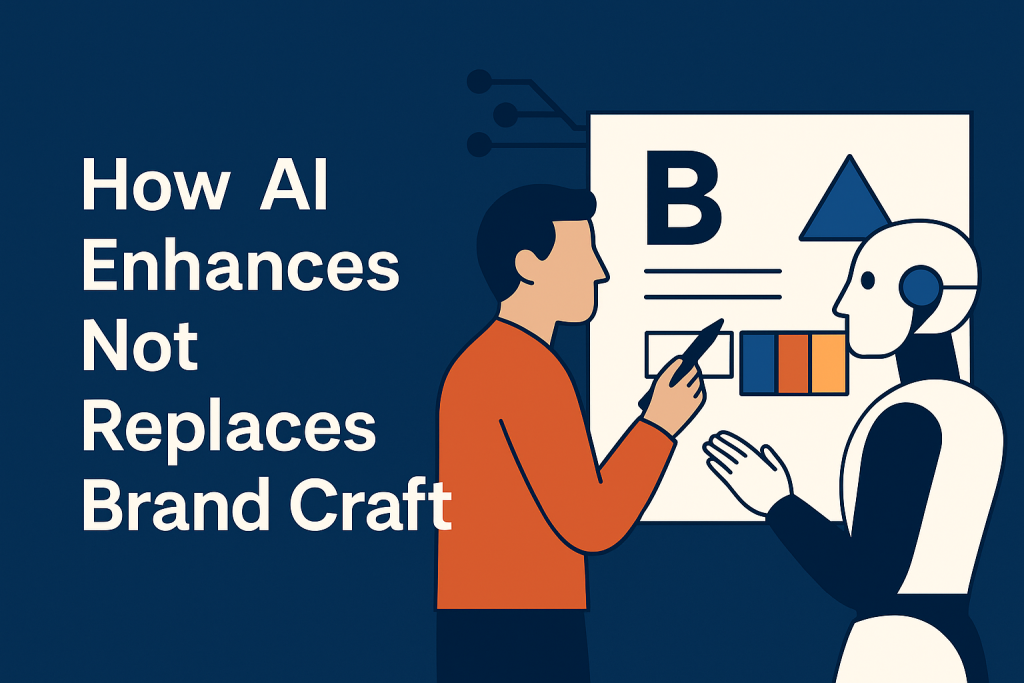
Artificial intelligence is reshaping how brands are built, but it does not replace the art of brand craft. Instead, it becomes a creative partner that helps teams work faster, think smarter, and focus on what matters most.
AI tools can analyze data, suggest color combinations, generate design ideas, or even personalize marketing content in seconds. These capabilities free creative teams from repetitive work so they can invest their energy in strategy, storytelling, and emotional design. The technology becomes a silent collaborator, expanding what human creativity can achieve.
The secret is balance. While AI brings efficiency, the essence of a brand still comes from people who understand emotions, culture, and purpose. Machines can support the process, but they cannot feel the heartbeat of a brand. The best results come when technology and human imagination move together, each amplifying the other.
Three Levels of AI in Brand Management
As AI becomes part of everyday brand operations, it is reshaping how teams work behind the scenes. From small creative tasks to large-scale strategy, AI supports brands at different levels of complexity. Understanding these layers helps organizations use it more effectively without losing their creative core.
1. Task Specialists
At the most basic level, AI acts as a helper for specific brand tasks. It can resize images, check for color consistency, validate brand guidelines, or fill templates with the right content. These tools save time and reduce human error, allowing designers and marketers to focus on big ideas instead of routine fixes.
2. Workflow Orchestrators
The next level involves AI systems that manage entire brand workflows. They can oversee everything from content creation to campaign adaptation across markets. By handling coordination and organization, these tools make brand management smoother and more scalable. Teams can deliver faster results without compromising creativity or quality.
3. Strategic Partners
At the highest level, AI evolves into a strategic brand partner. It analyzes market feedback, detects shifts in audience sentiment, and identifies opportunities for brand growth. These insights help businesses make smarter, data-backed decisions that refine their identity and messaging over time.
Each level shows how AI strengthens brand management rather than replacing it. The human team defines the vision, and AI helps execute it with precision and scale.
Key AI Capabilities Reshaping Branding

Artificial intelligence is no longer just a buzzword in marketing. It has become an essential tool that supports every part of the brand-building journey. From research to design to customer engagement, AI brings new levels of speed, insight, and personalization.
Generative Design
AI-powered design tools can instantly create logo variations, color palettes, and layout options. They help creative teams explore multiple directions before settling on a final concept. What once took days can now be done in minutes, giving designers more time to refine and perfect.
Content Generation
AI assists in creating brand-aligned copy, visuals, and social content that maintain consistency across platforms. This ensures every message feels connected to the company’s voice and identity while reducing the time needed for content production.
Personalization at Scale
Modern brands rely on personalization to build deeper connections. AI analyzes customer data to deliver experiences tailored to individual preferences. This turns marketing from generic messaging into something that feels truly one-on-one.
Predictive Insights
AI tools can identify trends before they peak. By analyzing data patterns, they help brands anticipate customer needs, optimize campaigns, and stay ahead of competitors. Predictive analytics transforms marketing from reactive to proactive.
Brand Compliance and Risk Detection
AI can automatically detect inconsistencies across assets, ensuring every campaign stays on-brand. It can also flag potential issues, such as outdated visuals or messaging that may harm reputation, helping maintain brand integrity.
Challenges, Risks, and Guardrails for Brand Teams
While AI opens new creative possibilities, it also brings challenges that every brand team must understand. Technology can make processes faster, but without direction, it can also dilute a brand’s essence.
One of the biggest risks is losing the human touch. When too many assets are generated by machines, brands risk sounding repetitive or impersonal. The warmth of human expression is what turns a company into a trusted name, and no algorithm can replace that.
Another concern is data privacy. AI systems rely on large amounts of data to learn and predict outcomes. Without proper guardrails, this data can expose sensitive information or lead to ethical issues that damage credibility.
There is also the danger of creative sameness. As more teams use similar AI tools, brand visuals and tone can start to look alike. That is why human oversight remains essential to keep the brand voice original and emotionally rich.
The solution lies in balance. Use AI to enhance efficiency, not to replace creativity. Build clear brand guidelines, review AI outputs regularly, and keep people at the heart of every decision. With the right boundaries, AI becomes a trusted assistant rather than a creative risk.
Best Practices: How to Use AI Wisely in Brand Strategy
Adopting AI in branding is not about using every new tool that appears. It is about integrating technology in a way that supports your brand’s mission and values. The most successful companies treat AI as a creative companion rather than a shortcut.
Keep Humans in the Loop
Even the most advanced tools need human judgment. Creative direction, emotional tone, and storytelling must always be guided by people who understand the brand’s purpose. AI can assist, but humans ensure meaning and consistency.
Start Small and Measure Results
Begin with focused experiments instead of full-scale automation. Use AI for repetitive design tasks, analytics, or personalization. Track how it affects efficiency, quality, and engagement to make smarter long-term decisions.
Maintain Brand Guidelines
AI works best when guided by structure. Upload your brand’s fonts, colors, and tone of voice to ensure all outputs stay aligned. Clear parameters keep creativity consistent and protect the brand’s identity.
Prioritize Ethics and Transparency
Always disclose when AI is used to create content or imagery. Transparency builds trust and demonstrates integrity, especially in industries where authenticity matters most.
Blend Creativity and Data
Let insights inspire your creative process. AI can reveal what resonates with audiences, while designers and marketers bring emotion and storytelling to life. Together, they create campaigns that perform and connect.
Using AI wisely means shaping it around your brand’s identity rather than letting it shape you. When technology and creativity work together, the result is branding that feels both intelligent and human.
Looking Ahead: What Brand Craft Could Become
The future of brand craft will be defined by collaboration between humans and intelligent systems. As technology continues to evolve, brands will move beyond static identities and become living entities that adapt to context, culture, and audience behavior.
We may soon see AI assisting in real-time brand evolution, adjusting visuals and messaging based on user interactions or market shifts. Instead of yearly rebrands, companies could fine-tune their voice continuously to stay relevant.
Yet even as technology grows smarter, the heart of branding will remain deeply human. Emotional storytelling, creative intuition, and cultural understanding will continue to shape how people connect with brands. The next chapter of brand craft will be about harmony, blending intelligence and imagination to build experiences that truly resonate. Build role-based training paths with Coursiv to keep skills aligned with evolving creative workflows.
Conclusion: Embracing the AI and Human Partnership
Artificial intelligence has transformed how brands are created and managed, giving teams the ability to work faster and smarter. Yet no matter how advanced technology becomes, the foundation of great branding remains human creativity and strategic vision.
Every strategic brand agency follows an immersive brand process that goes beyond visuals and templates. It involves understanding core problems businesses face, aligning teams, and using a proprietary method to develop solutions that truly connect. AI can simplify marketing efforts, but it cannot replace the intuition that defines a brand’s identity or the storytelling that gives it meaning.
When people and technology collaborate, branding becomes more powerful. Data sharpens strategy, and design brings emotion to life. The result is a brand that feels alive, authentic, and consistent across every experience.
Brand craft will always be human at its core, and technology simply helps it shine brighter.