Influencer marketing platforms make it easier for brands to bring order and strategy to what can otherwise feel like chaos. Instead of juggling spreadsheets and endless messages, these tools help marketers find the right influencers, manage outreach, and track campaign results all in one place. Whether you are just starting with influencer collaborations or managing large-scale programs across multiple regions, the right software can turn scattered influencer efforts into a streamlined, data-driven strategy.
By combining influencer discovery, campaign management, and detailed reporting tools in a single platform, teams can work more efficiently, strengthen influencer relationships, and build campaigns that truly boost brand awareness and engagement.
What Makes a Great Influencer Marketing Platform?
A great influencer marketing platform does much more than just connect brands with creators. It acts as the foundation for your entire influencer marketing strategy, offering the data, structure, and insights needed to make every campaign a success.
The best influencer marketing software brings together tools for influencer discovery, campaign management, and performance reporting in one place. This allows marketers to spend less time on manual work and more time crafting meaningful collaborations that resonate with their target audience.
When evaluating influencer marketing tools, look for features that go beyond surface-level metrics. Strong platforms provide audience demographics, engagement analytics, brand safety filters, and creator data that help you identify authentic partners who align with your values. They also include automated communication, product seeding options, and promo code generation to streamline every stage of your campaign.
Ultimately, a great marketing platform gives you more than convenience. It delivers actionable insights to refine your influencer strategy, optimize ROI, and ensure every partnership contributes to long-term brand growth.
How to Select the Right Influencer Marketing Platform for Your Brand
Choosing the right influencer marketing platform can shape the success of your entire influencer marketing strategy. With so many influencer marketing tools available, it is important to find one that fits your team’s size, campaign goals, and long-term vision.
1. Define Your Campaign Goals
Start by outlining what you want to achieve with your influencer campaigns. Are you focusing on brand awareness, driving sales, or building user generated content that strengthens your social media presence? Knowing your goals helps you identify platforms with the right analytics, communication tools, and reporting features.;
2. Consider the Size of Your Team
If you have a small team managing multiple influencer programs, look for influencer marketing software that automates outreach, content approvals, and payment workflows. Larger teams, on the other hand, may prefer platforms that offer deeper customization, advanced analytics, and integrations with other social media management systems.
3. Evaluate Your Budget and Resources
Influencer marketing platforms come at different price points. Some provide basic discovery tools for small businesses, while others offer enterprise-level solutions that support brands operating at a global scale. Balance your budget between platform subscription costs and influencer payouts to ensure long-term sustainability.
4. Review Integration and Usability
Your influencer marketing platform should blend seamlessly with your existing tools. Check for integrations with CRMs, email marketing tools, and ecommerce platforms. A user-friendly interface also saves time and reduces the learning curve for your team.
5. Prioritize Data and Analytics Capabilities
An effective marketing platform provides real-time insights that help you measure campaign results and optimize performance. Look for reporting tools that track engagement, conversions, and audience demographics so you can fine-tune your influencer strategy with precision.
Top Influencer Marketing Platforms for Brand Awareness
With influencer marketing becoming a cornerstone of digital marketing strategy, the right platform can make all the difference. These tools help brands connect with social media influencers, manage collaborations, track campaign results, and strengthen brand awareness at every stage of the influencer journey.
1. Sprout Social Influencer Marketing
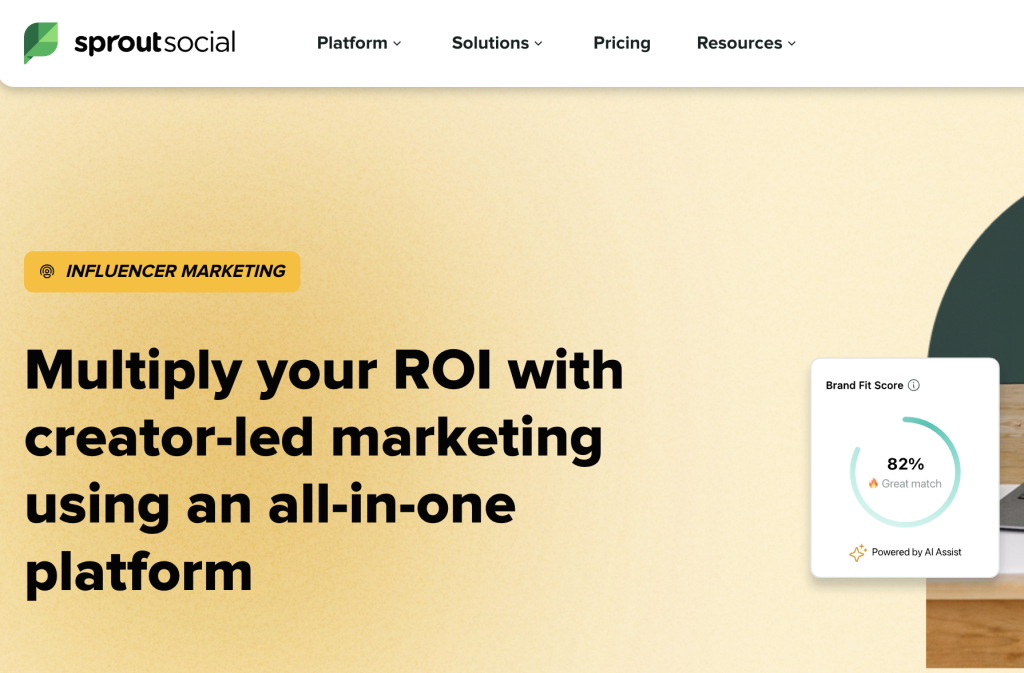
Sprout Social’s influencer marketing solution helps brands and agencies discover creators, manage campaigns, and analyze performance in one place. It uses AI-powered search and influencer discovery tools to help marketers identify the best influencers for their campaigns based on engagement, audience demographics, and brand fit.
Key Features:
- AI Assist for smart influencer discovery and filtering
- Brand Fit Score to evaluate influencer alignment
- Campaign management and automated reporting
- Brand Safety Reports to ensure influencer credibility
- Unified social media management and influencer data tracking
2. Brandwatch
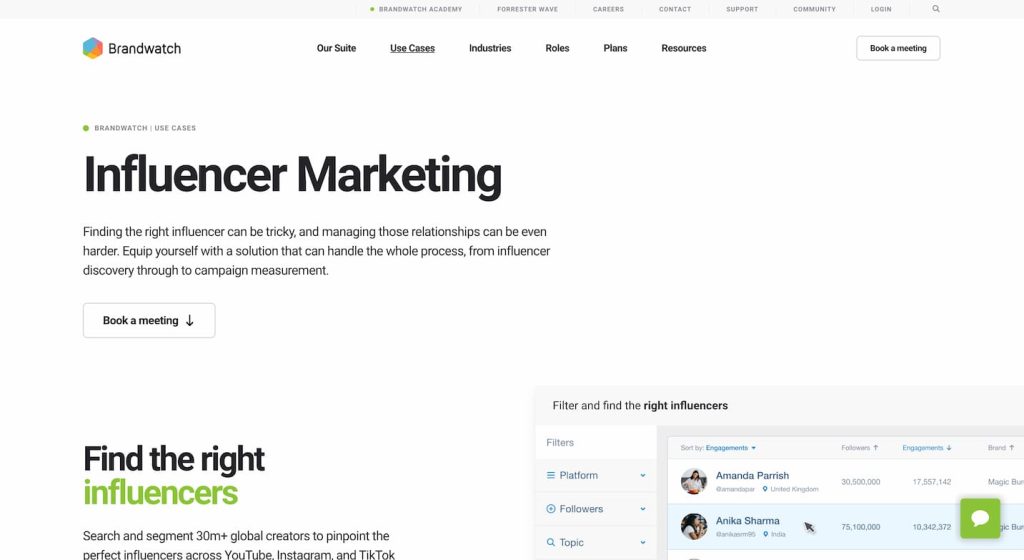
Brandwatch is known for its consumer intelligence and social listening power. It allows brands to analyze online conversations, monitor trends, and discover influencers who already engage with their niche audiences.
Key Features:
- Access to a database of over 30 million verified influencers
- Advanced filters for niche, engagement, and audience type
- Centralized dashboard for influencer communication and management
- Analytics tools to track reach, engagement, and sentiment
- Custom reporting for campaign results and brand visibility
3. Upfluence
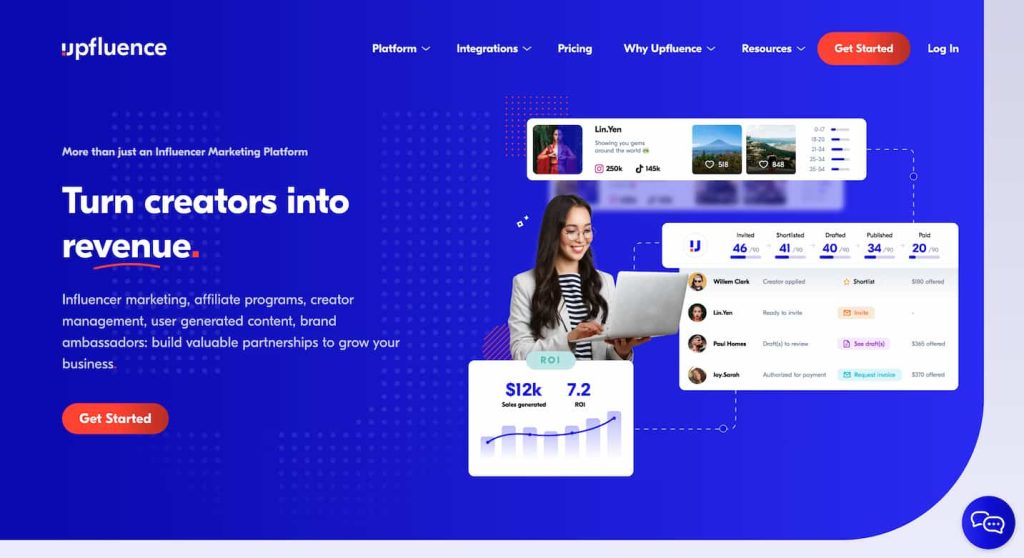
Upfluence blends influencer and affiliate marketing to create a flexible influencer marketing software for all business sizes. Its AI assistant helps with personalized communication, while automation features simplify invoicing, product seeding, and content tracking.
Key Features:
- AI-generated influencer outreach messages
- Creator matching based on past performance and brand relevance
- Promo code generation and affiliate tracking
- Influencer payment automation
- Integrations with ecommerce platforms like Shopify and WooCommerce
4. GRIN
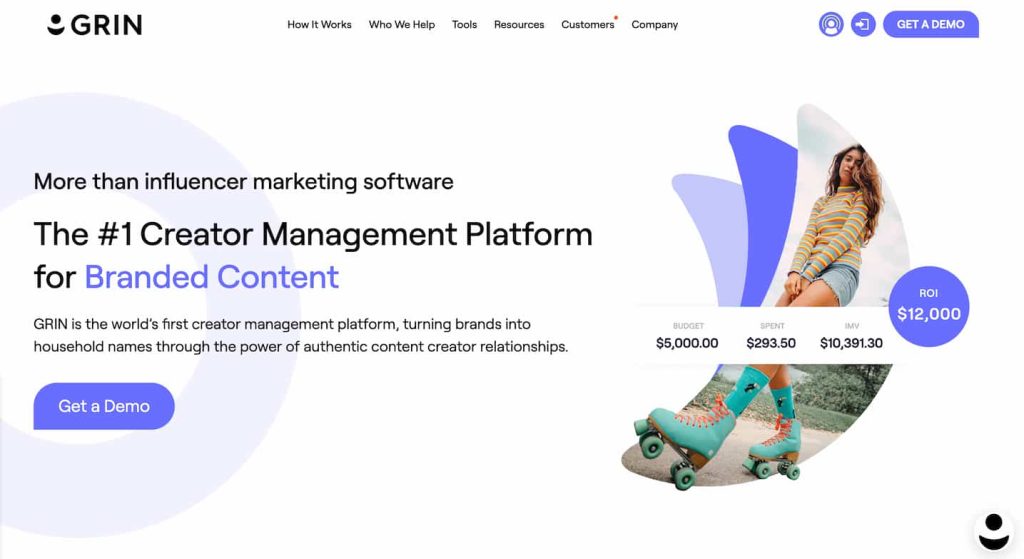
GRIN is built for ecommerce brands that want to streamline their influencer programs from discovery to reporting. The tool simplifies influencer relationship management by combining discovery, outreach, and product seeding into one platform.
Key Features:
- Chrome extension for real-time influencer data while browsing
- Product seeding and gifting management
- Integrated influencer communication and contracts
- In-platform payments and ROI analytics
- Advanced audience insights and engagement tracking
5. Influencity

Influencity gives brands access to over 200 million creators and a clean dashboard for managing campaigns with clarity. It emphasizes authentic influencer relationships and provides detailed analytics to guide influencer marketing strategy.
Key Features:
- Access to a massive global influencer database
- Smart filters for location, audience demographics, and engagement
- Collaboration and communication tools in one dashboard
- Campaign tracking and automated reporting
- Ecommerce integration for product distribution and gifting
6. LTK (formerly LIKEtoKNOW.it)
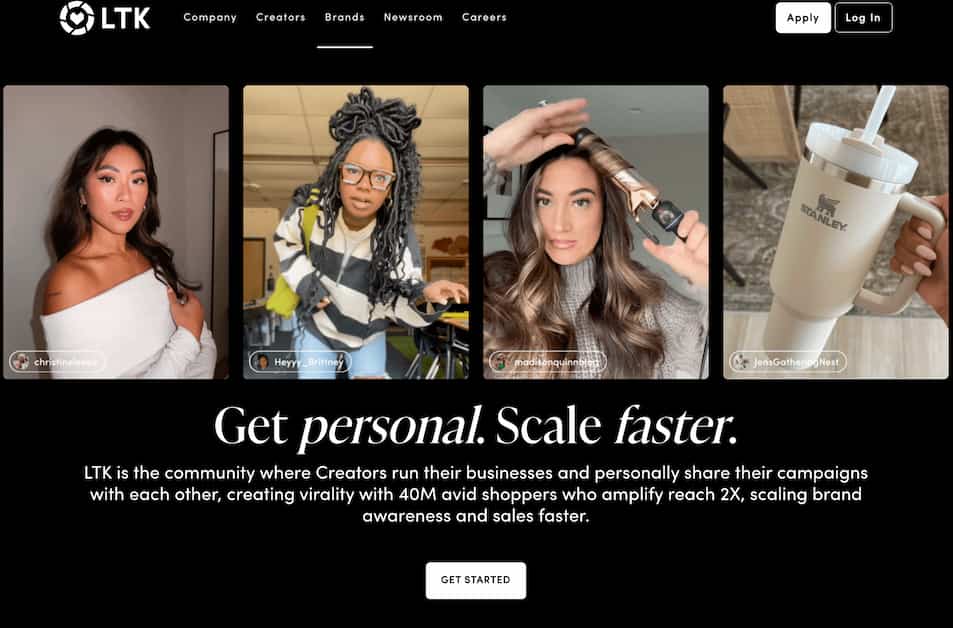
LTK is an exclusive influencer marketing platform trusted by top fashion, beauty, and lifestyle brands. It focuses on connecting brands with pre-vetted influencers who have proven engagement and high-converting audiences.
Key Features:
- Access to a curated, invite-only network of creators
- Historical campaign data for performance forecasting
- Affiliate tracking and commission management
- Real-time campaign performance analytics
- Tools for product tagging and promotion tracking
7. Modash

Modash offers an influencer discovery experience backed by detailed data. It is ideal for brands seeking transparency, as it provides in-depth analytics about influencer audiences, engagement quality, and authenticity.
Key Features:
- 250 million influencer profiles across Instagram, TikTok, and YouTube
- Fake follower detection and audience authenticity analysis
- Campaign monitoring with automated performance tracking
- Competitor analysis and benchmarking
- Content tracking for influencer deliverables
8. Later Influence

Later Influence, previously known as Mavrck, provides an advanced influencer marketing platform for brands focused on scaling their creator collaborations. It supports large-scale programs and provides data-driven insights to refine influencer strategy.
Key Features:
- Influencer Index for easy creator discovery
- Ambassador and referral program setup
- Performance tracking with detailed analytics
- Integrated communication and campaign workflow
- Creator surveys for product feedback and audience research
9. Shopify Collabs
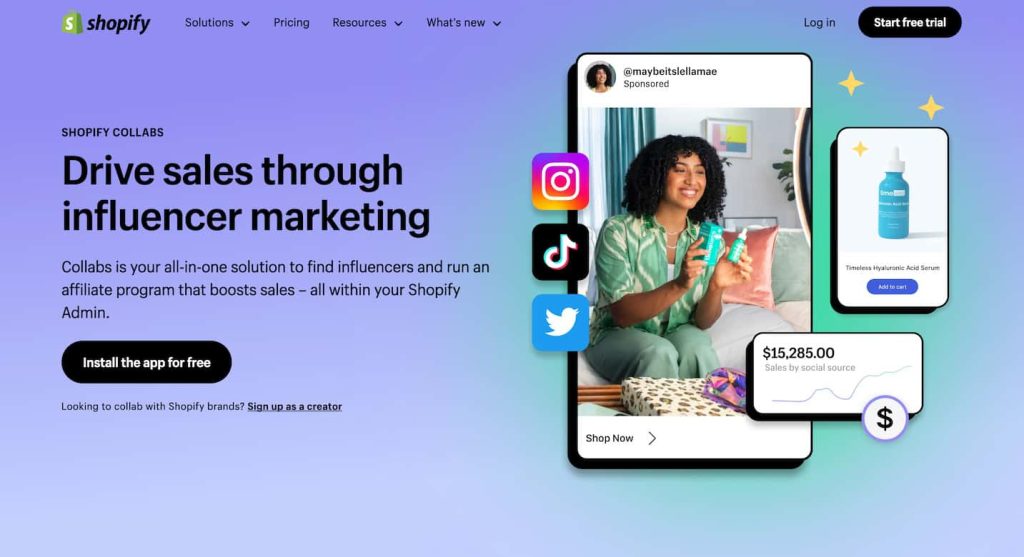
Shopify Collabs is built for ecommerce brands already using Shopify. It helps them easily find influencers, send free products, and manage affiliate payouts without leaving their store dashboard.
Key Features:
- Direct integration with Shopify stores
- Product seeding and affiliate management tools
- Influencer outreach and communication features
- Automated payments through Shopify Billing
- Campaign performance tracking and engagement metrics
10. CreatorIQ
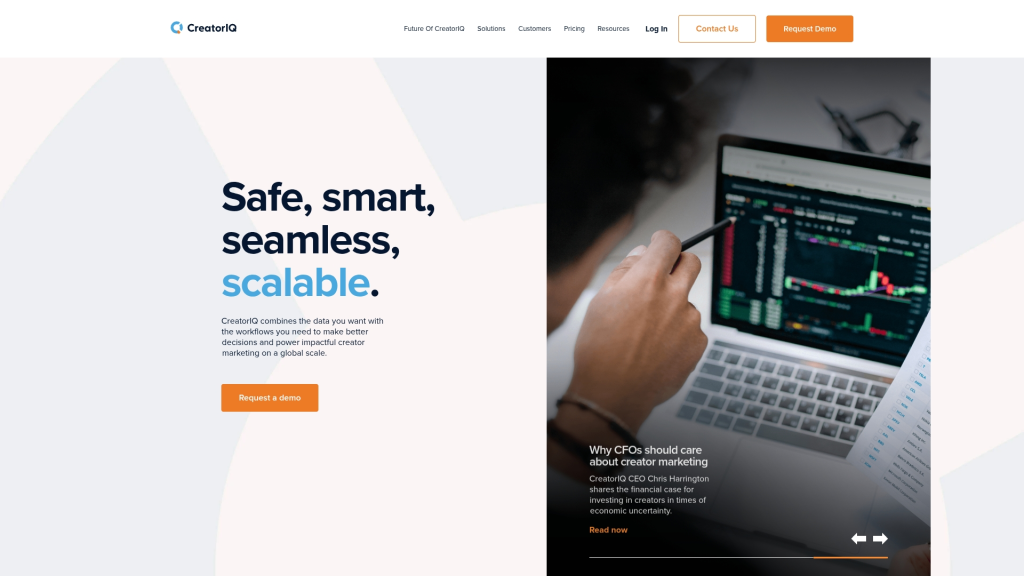
CreatorIQ is an enterprise-level influencer marketing platform built for brands operating at a global scale. It combines AI-driven creator data with campaign management tools to help marketers make informed, strategic decisions.
Key Features:
- AI-powered influencer discovery and analysis
- End-to-end campaign management and contract workflows
- Integration with Salesforce, Google Analytics, and other systems
- Global payments and legal compliance tools
- Customizable reporting dashboards for performance insights
Each of these influencer marketing platforms brings unique strengths to the table, helping brands connect with the right creators, streamline influencer outreach, and scale their campaigns to reach new audiences.
Tips to Maximize Brand Awareness Using Influencer Marketing Platforms
Once you have chosen the right influencer marketing platform, the next step is making the most of it. The true impact of influencer marketing comes from using data, creativity, and consistency together. Here are some proven ways to strengthen your influencer marketing strategy and expand your brand’s reach.
1. Mix Macro and Micro Influencers
Macro influencers help you reach a broad audience, while micro influencers build deeper connections within specific niches. A mix of both gives your campaigns scale and authenticity. Use your platform’s influencer discovery tools to find creators based on audience demographics, engagement rate, and niche relevance.
2. Focus on Storytelling Instead of Promotion
The best influencer campaigns feel genuine, not forced. Encourage creators to share personal stories or experiences that align with your brand values. Authentic content generates more engagement and keeps your target audience interested. Use campaign management features in your influencer marketing software to guide tone and message while leaving room for creativity.
3. Track Data Beyond Likes and Follows
A successful influencer marketing campaign is not just about views. Use the analytics and reporting tools provided by your platform to track clicks, conversions, and long-term engagement. Look for patterns that show which types of content bring better ROI and adjust your influencer strategy accordingly.
4. Encourage User Generated Content
User generated content extends the life of your campaign and builds community trust. Ask influencers to create content that their followers can participate in – challenges, reviews, or testimonials. Many influencer marketing tools allow you to collect and reuse this content across your social media channels or website to amplify brand awareness.
5. Strengthen Communication with Influencers
Influencer relationships are built on trust and clarity. Use the communication features within your platform to manage outreach, share feedback, and provide content guidelines in one place. A single platform for all campaign communication helps avoid confusion and keeps collaborations smooth.
6. Repurpose High Performing Content
When an influencer campaign performs well, repurpose that content across ads, email marketing, and landing pages. Many influencer marketing platforms store creator data and campaign results, making it easy to identify top performing posts. Repurposing saves time, keeps brand messaging consistent, and helps new audiences discover your brand.
7. Set Clear KPIs and Review Campaign Results
Before launching any influencer campaign, outline measurable goals such as engagement growth, website visits, or sales conversions. Once the campaign ends, use your reporting tools to analyze performance. Regularly reviewing campaign results helps refine your influencer strategy and ensures steady improvement over time.
How to Get Started with Influencer Marketing
Getting started with influencer marketing does not have to feel overwhelming. The right approach and tools can help you move from idea to execution without wasting time or resources. Whether you are a small business or an established brand, the process of launching an influencer marketing campaign follows a few essential steps.
1. Define Your Brand Goals
Start by identifying what you want to achieve through influencer marketing. Is your focus on building brand awareness, boosting sales, or creating authentic user generated content? Your campaign goals will guide every decision, from the type of influencers you choose to the platforms you prioritize.
2. Choose the Right Influencer Marketing Platform
Next, pick an influencer marketing platform that aligns with your business needs. Look for influencer discovery tools, campaign management features, and detailed analytics that help track performance. A single platform can save your team hours of manual work and provide valuable insights for data-driven decision-making.
3. Identify the Right Influencers
Use the search and filtering features in your chosen platform to find influencers based on audience demographics, engagement rate, and niche relevance. Focus on influencers who genuinely connect with your target audience, not just those with high follower counts. Authentic partnerships often lead to better campaign results.
4. Plan and Launch Your Campaign
Outline your content strategy, timelines, and deliverables. Share clear expectations with influencers and give them creative freedom to tell your brand story in their own voice. Most influencer marketing software includes workflow tools to manage communication, approvals, and payments efficiently.
5. Track, Measure, and Optimize
Once your campaign goes live, use your influencer marketing platform’s analytics to measure engagement, reach, and ROI. Track which creators perform best and which content formats bring the strongest results. Continuous optimization ensures every influencer marketing campaign contributes to long-term brand growth.
6. Build Long-Term Influencer Relationships
Treat influencer collaborations as ongoing partnerships rather than one-time transactions. Keep communication open, share results, and celebrate success together. Long-term relationships lead to consistent brand visibility and stronger trust among new audiences.
Final Thoughts
Influencer marketing has become one of the most effective ways to grow brand awareness, build trust, and connect with audiences on a personal level. But to truly make it work, brands need the right mix of creativity, strategy, and technology. That is where influencer marketing platforms make all the difference by helping teams discover creators, manage campaigns, and measure real results in one place.
Whether you are launching your first influencer marketing campaign or scaling global collaborations, using a powerful platform can transform your influencer strategy from manual effort into measurable impact. The right tools allow marketers to focus less on repetitive tasks and more on building relationships that drive long-term success.
As influencer marketing continues to evolve, brands that embrace data-driven decisions and authentic partnerships will stand out. Start exploring the best influencer marketing platforms for your business, and turn every collaboration into an opportunity to amplify your brand’s voice and reach new audiences.