Ever feel like your brand isn’t hitting the mark anymore? Maybe your messaging feels inconsistent, your visuals seem outdated, or your audience just isn’t engaging like they used to. If that sounds familiar, it might be time for a brand audit.
Think of a brand audit as a health check-up for your business. It helps you uncover what’s working, what’s not, and where you need to make changes to keep your brand strong and relevant.
In this guide, we’ll walk you through everything you need to know about conducting a brand audit—from assessing your brand identity to evaluating customer perception. Whether you’re a startup or an established brand, this step-by-step guide will help you refine and refresh your brand for success.
Let’s get started!
What Is a Brand Audit?

A brand audit evaluates brand performance, identifies areas for improvement, and increases brand awareness. Conducting a brand audit involves assessing various aspects of brand presence and performance, including digital presence, customer perceptions, and brand identity.
An example of a brand audit is when a restaurant chain assesses its brand performance through customer feedback and consistency, identifying areas for improvement and opportunities for growth.
Conducting a brand audit provides businesses with insights to align their brand promise with customer expectations, resulting in a stronger brand image and better customer relationships.
Why Conduct a Brand Audit?
A brand audit is vital for building and maintaining brand equity, improving positioning, and ensuring your brand promise aligns with customer expectations. The benefits of brand audit provide actionable insights that can enhance the bottom line and identify areas for improvement.
Regular brand audits significantly increase brand awareness, helping to attract new customers and retain existing ones.
Changes made after a brand audit can lead to a more vibrant brand image and stronger customer relationships. Opportunities are favorable trends or situations in the market that a brand can leverage for growth, while understanding external threats can help brands adapt strategies to changing market conditions.
✨ More to Read: Differences Between a Company and a Brand
Modern Brand Auditing: Adapting to the Digital Landscape
In today’s fast-evolving digital marketplace, brand perception can shift quickly—and so should your auditing strategy. While traditional brand audits focused on customer surveys and logo evaluations, modern audits must include digital touchpoints like SEO visibility, online reviews, influencer mentions, and even AI-generated content that could impact your brand narrative.
Start by evaluating your brand’s online presence across all digital platforms—search engines, social media, customer forums, and even YouTube comments. Has your tone remained consistent? Are you ranking for your branded keywords? Are you still resonating with your target audience?
Use tools like Google Search Console, SEMrush, or Brand24 to monitor sentiment and search visibility. Pair that with first-party data like email campaign results and CRM feedback to uncover blind spots.
A comprehensive brand audit in the digital age also considers competitor content strategies, changes in platform algorithms, and shifts in consumer behavior. Brands that succeed today are the ones that don’t just reflect on the past—but react to real-time insights and adapt quickly.
This modern approach sets your audit apart and ensures your brand remains both resilient and relevant.
Laying the Groundwork for a Successful Brand Audit
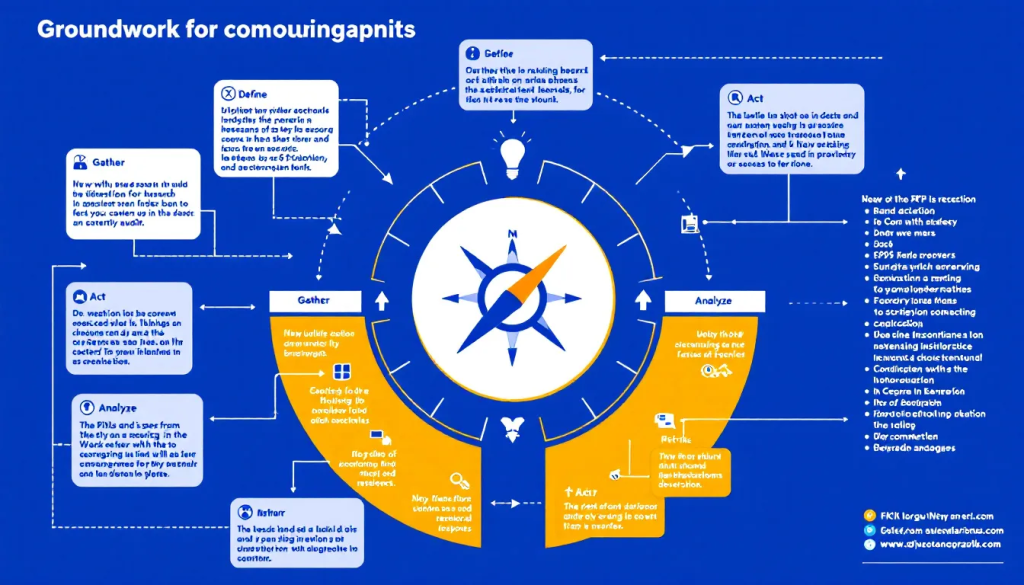
A brand audit serves as a crucial tool for gaining insights into a brand’s health and effectiveness in the marketplace. Defining clear objectives is a crucial initial step when embarking on a brand audit. Incorporating feedback from various departments can lead to a more holistic action plan that addresses multiple business areas.
To lay the groundwork for a successful brand audit, it is essential to establish a clear framework and gather all relevant data. This will ensure that your brand audit is comprehensive and provides valuable insights for future improvements.
Establishing Your Brand Audit Framework
The process of a brand audit encompasses a thorough evaluation of both internal and external brand elements. Components of a brand audit typically include internal and external environments, brand messaging, visual identity, marketing materials, customer interactions, digital presence, and market position.
Methods to conduct a comprehensive brand audit include customer surveys, competitor analysis, social media monitoring, and performance metrics.
A methodical approach to conducting a brand audit consists of clearly defined steps. It also emphasizes the importance of setting goals using Brand Guidelines. Techniques to create an effective brand audit framework include using Excel tables, mind-mapping, or storyboarding. Incorporating feedback from both customers and stakeholders enhances the framework’s effectiveness.
Gathering All the Data
Regular data collection during a brand audit ensures that you stay up-to-date and ahead of the competition, adapting effectively to the changing market landscape. Gathering as much relevant data as possible is critical during a brand audit to inform business decisions. Business goals and marketing targets should be reviewed to align data gathering efforts during the brand audit.
✨ Learn More Here: Key Difference Between Marketing and Brand Management
Employee and partner feedback can be gathered through interviews, one-on-ones, and culture surveys to provide deeper insights into your brand. Customers can be engaged through various methods such as polls, online surveys, and direct interactions to gather feedback.
Understanding the target customers demographics involves analyzing who is buying your products, engaging with your content, and their common shopping behaviors. Analyzing online reviews and conducting surveys are effective ways to assess customer perceptions about your brand.
Evaluating Internal Branding Elements
Internal branding serves to link employees with company values, enhancing engagement and business success. Internal branding evaluation includes assessing how brand values are communicated throughout the organization. An effective internal brand audit examines brand vision, mission, and values to ensure alignment with the overarching business strategy.
Evaluating internal branding elements ensures that your brand’s identity and brand’s values are consistently reflected throughout your business.
Reviewing Your Brand Identity
Regularly updating brand components ensures alignment with market demands. Key elements of a brand such as logo usage, color scheme, and tone of voice should be consistently evaluated for coherence. Aligning internal branding with core brand values is critical for maintaining consistency across all customer interactions.
Continual assessment allows brands to adapt to evolving market and consumer expectations. Reviewing your brand identity helps maintain its relevance and competitiveness.
✨ Further Reading: Debranding Explained – What Does It Mean to Debrand
Streamline Your Brand Audit ⭐
A brand audit often begins with evaluating internal branding elements—logos, typography, color palettes, and visual identity guidelines. But if your brand assets are scattered across different platforms, buried in emails, or locked in designer folders, the process can quickly become frustrating.
That’s where Brandy comes in.

Brandy is a brand asset management tool that acts as a single source of truth for all your branding elements. Instead of hunting for the latest logo version or struggling to maintain brand consistency across teams, you can organize everything in one place—with a shareable link that ensures easy access for stakeholders.
Here’s how Brandy makes your brand audit seamless:
Centralized Brand Guidelines: Keep your brand’s logos, colors, typography, and assets in one beautifully organized link, ensuring consistency across all touchpoints.
Version Control & File Management: Ensure your team is always using the most up-to-date brand assets, eliminating confusion over outdated files.
Quick and Easy Access: Whether you’re conducting an audit internally or working with an agency, Brandy lets you share your brand assets in seconds, making collaboration effortless.
Private & White-Label Brand Spaces: Need to audit multiple brands or maintain confidentiality? Brandy offers private brand spaces to keep things secure and organized.
A brand audit is only as effective as the tools you use. If you’re still juggling files across email threads and cloud drives, it’s time to upgrade.
👉 Sign up for Brandy today and audit your brand the smart way!
Assessing External Branding and Marketing

The perception of a brand is shaped by various customer interactions, making external branding crucial for market positioning. Consistency in tone and design across platforms, and comparison to the overall marketing strategy should be considered during the review of external marketing. External branding should be adjusted to better connect with the target audience and embody the brand’s values.
Assessing external branding and marketing ensures that your brand effectively communicates its identity and values to assessing your brand’s current target audience.
Analyzing Marketing Campaigns
Evaluating marketing campaigns helps identify the effectiveness of messaging across different platforms. Audience engagement and brand reach play critical roles in assessing the impact of social media campaigns. The brand identity review should ensure that all brand elements reflect a consistent message across different channels.
Assessing visual elements like logos, colors, and typography is essential to maintain a consistent brand identity across all platforms. Analyzing marketing campaigns helps ensure your brand’s messaging resonates with the target audience.
Evaluating Social Media Presence
Social media analytics is crucial for understanding audience engagement and measuring brand reach. The effectiveness of social media campaigns can be measured by observing changes in brand reach and engagement metrics. Audience engagement on social media can be assessed through metrics like shares and comments.
To determine if you are attracting your target audience on social media, analyze your follower base and the effectiveness of brand messaging. A brand’s success on social media can be gauged by analyzing the consistency of its messaging with its overall brand strategy.
Customer Feedback Analysis
Customer feedback acts as a vital tool for understanding how effectively a brand resonates with its audience. Insights derived from customer feedback are crucial in evaluating how well a brand aligns with its intended values. Collecting data from various sources allows for a comprehensive understanding of brand perception.
Analyzing customer feedback provides valuable insights into your brand’s strengths and areas for improvement.
Conducting Customer Surveys
A brand audit helps clarify brand identity and perception. Effective customer surveys should incorporate both quantitative and qualitative questions to gain a comprehensive view of brand perception. Customer surveys should include quantitative ratings as well as qualitative feedback on brand interpretation and response.
A potential question to ask survey respondents could be to rate their satisfaction or likelihood to purchase on a scale of 1-10. Conducting customer surveys gathers valuable insights into how your brand is perceived.
Utilizing Customer Service Experience
Analyzing feedback from customer service interactions is crucial for identifying both strengths and weaknesses in your brand. Customer service interactions can provide insights into key areas where a brand can enhance its service delivery. Specific strengths can be uncovered through careful analysis of customer feedback on service interactions.
Using customer service insights is an ongoing process that helps in continuously enhancing brand experience. Utilizing customer service experience enhances your brand’s overall performance and customer satisfaction.
Performing a SWOT Analysis

SWOT analysis is used for identifying strengths, weaknesses, opportunities, and threats. A brand audit helps analyze strengths and weaknesses. Performing a SWOT analysis provides a comprehensive understanding of your brand’s current standing and areas for improvement.
Identifying Strengths and Weaknesses
Recognizing strengths involves assessing unique brand qualities that provide competitive advantages. Weaknesses may involve areas that hinder brand growth or detract from overall performance. Understanding competitors’ strengths and weaknesses can inform your brand positioning and strategy adjustments.
Sales data analysis can reveal consumer preferences and purchasing habits over time. Identifying strengths and weaknesses helps develop strategies to leverage strengths and address areas needing improvement.
Exploring Opportunities and Threats
Utilizing tools such as SWOT and PESTEL analyses can help identify opportunities for your brand based on competitive insights. It’s crucial to stay informed about trends and changes in the market that may present external threats to your brand’s stability.
Exploring opportunities and threats enables the development of strategies to capitalize on favorable trends and mitigate risks.
Competitive Analysis
Conducting a competitor analysis provides insights into how to differentiate your brand and enhance your market position. A SWOT analysis is a strategic tool that helps in recognizing both internal and external factors impacting brand performance.
Understanding your competitors helps identify market gaps and develop strategies for competitive advantage.
Analyzing Competitors’ Strategies
The purpose of analyzing competitors during a brand audit is to identify gaps between brands and areas to gain more market share. Key elements to monitor when analyzing competitors include customer feedback, their presence on social platforms, and their new marketing campaigns. Monitoring tools such as Internet monitoring tools like Brand24 can be utilized for effective competitor analysis.
Monitoring competitors reveals gaps in customer experience that can help gain customer loyalty. Regular evaluation of competitor marketing strategies is essential for identifying market gaps and optimizing your approach.
Positioning Your Brand in the Market
Analyzing competitors’ strategies involves examining their marketing campaigns, branding messages, and customer engagement practices to understand what resonates with their target audience. Insights from competitor analysis can reveal strengths that your brand may need to improve upon as well as successful tactics that could be adapted for your own strategy.
Identifying market gaps entails looking for areas where competitors may be underperforming, thus providing opportunities for your brand to fill those voids. Refining your brand’s strategy enhances your position in the market and helps you stand out.
Reviewing Sales and Website Data
Sales data is crucial for evaluating the effectiveness of your brand strategy and understanding market dynamics. Identifying trends and issues in sales performance allows businesses to enhance customer experience and increase conversions. Website analytics are essential for assessing online performance, including understanding traffic sources, conversion rates, and bounce rates.
Regularly reviewing sales data and website metrics leads to informed decision-making and strategic adjustments for ongoing brand health.
Analyzing Sales Data
Marketing initiatives like banner ads can lead to an increase in purchases. Brand24 experienced a drop in sales on their global version, indicating a significant issue that needs to be addressed. Analyzing sales performance is crucial to understanding your brand’s market position and improving customer experience.
Enhancing customer experience and increasing conversions can be achieved by analyzing sales trends and addressing any identified issues. Analyzing sales data informs decisions to improve your brand’s strategy.
Examining Website Analytics
Auditing website data gathers insights on user interaction, helping improve traffic and conversions. Regular examination of website analytics is essential to track performance and make necessary adjustments. Performance cookies measure and improve site performance by collecting aggregated data.
Key metrics such as traffic origin, bounce rate, and conversion rate should be analyzed to assess website performance. Analytics can help identify pages requiring updates and enhance SEO strategies. Examining website analytics ensures your online presence effectively supports your brand strategy.
Compiling and Analyzing Results

The results from a brand audit should be compiled into a comprehensive report that reflects the brand’s market position. Having data insights readily available is crucial when formulating the next steps in brand strategy. A successful brand audit results in a strategic plan. This plan focuses on areas for improvement while also leveraging existing strengths.
Findings on customer feedback, the brand’s current standing, and insights on customer perception should be included in the report after completing a brand audit. A brand audit helps companies understand how well their brand is doing and areas for improvement.
Creating a Comprehensive Report
The goal of summarizing findings in a brand audit is to identify areas for improvement. A brand audit report should include text, specific examples, and graphics. Analyzing the results of a brand audit is crucial for improving brand performance and market position.
Creating a comprehensive report ensures all stakeholders understand the findings and proposed actions.
Developing an Action Plan
Start by establishing baseline goals. Then, create a timeline to reach those goals. Create a detailed action plan for potential brand changes, including immediate and longer-term tasks. Establish goals that incorporate metrics. This will aid in monitoring your progress.
Prioritize tasks by what might have the biggest impact on the business and identify post-audit actions. Developing an action plan ensures the effective implementation of insights gained from the brand audit.
Implementing Changes and Monitoring Progress
Analyzing findings from a brand audit is crucial as it helps enhance brand performance and market positioning. Post-brand audit actions include analyzing findings, implementing changes, and learning from previous examples. An action plan for implementing brand improvements should clearly define responsibilities assigned to team members.
Fashion Forward successfully rejuvenated its brand and improved customer relationships after implementing changes from the brand audit. Implementing changes and monitoring progress ensures your brand’s continued growth and success to upgrade your brand performance.
Implementing Brand Strategies
Insights gained from a brand audit should be used to enhance brand identity and overall strategy. Significant brand updates are often indicative of the need for a rebranding exercise. To enhance content marketing and customer experience, it is vital to focus on engaging content and smooth customer interactions.
If all brand components are effectively resonating with the audience, maintaining the current branding until the next audit is advisable. It’s important to align internal branding with brand values. This ensures consistency across all customer touchpoints.
Implementing brand strategies ensures your brand remains relevant and competitive.
Monitoring and Evaluating Progress
Performance cookies are utilized to assess and enhance website efficiency. Performance cookies gather aggregated and anonymous data regarding user visits and traffic origins. Continuous monitoring of brand performance is vital for assessing the effectiveness of implemented strategies and making necessary adjustments.
Using sentiment analysis post-audit can provide insights into client satisfaction regarding the changes implemented. It’s essential to track the effectiveness and advancement of strategies during the execution of the action plan.
Monitoring and evaluating progress ensures your brand continues to evolve and meet customer expectations.
Summary
In conclusion, conducting a brand audit is a vital process for any business looking to maintain a strong and consistent brand image. By evaluating various aspects of your brand’s performance and identifying areas for improvement, you can ensure that your brand remains relevant and competitive in the market. Regular brand audits provide valuable insights that can lead to enhanced brand consistency, improved customer relationships, and increased market share.
Frequently Asked Questions
A brand audit evaluates a brand’s performance and identifies areas for improvement, enhancing brand awareness and identity. This process assesses the brand’s digital presence and customer perceptions.
Conducting a brand audit is crucial as it helps build brand equity, improve positioning, and ensure alignment with customer expectations, ultimately leading to actionable insights that can boost your bottom line.
A comprehensive brand audit encompasses several key components: internal and external environments, brand messaging, visual identity, marketing materials, customer interactions, digital presence, and market position. Utilizing methods such as customer surveys, competitor analysis, and performance metrics can effectively inform the audit process.
You should perform a brand audit at least once a year or during significant changes such as mergers or rebranding efforts. This regular assessment is essential for maintaining your brand’s relevance and competitiveness.
Conducting a brand audit offers significant benefits, such as identifying growth opportunities and enhancing brand consistency. Ultimately, it leads to a strategic plan that aligns marketing efforts and improves customer relationships.