
In today’s crowded marketplace, understanding the dynamic between marketing vs brand management is more than just a textbook distinction—it’s a strategic advantage.
While marketing drives visibility, engagement, and immediate results through digital marketing strategies, brand management focuses on building long-term brand equity, trust, and recognition. Many companies fail to recognize how these two essential functions differ in their goals, metrics, and timelines, which leads to inconsistent messaging and confused customer perceptions.
This blog unpacks the key differences between marketing and brand management, how they complement one another, and how businesses can align both functions for sustainable growth. Whether you’re a marketing manager, a brand manager, or a business owner aiming to establish brand recognition, this guide is your go-to resource for clarity and implementation.
And to give you a quick visual breakdown, here’s a side-by-side comparison of the two disciplines:
Comparative Table: Marketing vs Brand Management
| Aspect | Marketing | Brand Management |
|---|---|---|
| Primary Focus | Driving leads, conversions, and visibility through marketing efforts | Shaping and preserving a consistent brand imageand increasing brand equity |
| Time Horizon | Short-term results like campaign success or product launches | Long-term growth through brand positioning and identity |
| Key Activities | Market research, campaign planning, SEO, content, and digital marketing | Defining brand strategy, managing brand assets, and brand guidelines |
| Responsibilities | Managed by the marketing team or marketing manager | Overseen by a brand manager or dedicated brand department |
| Measurement Metrics | ROI, click-through rate, lead volume, conversion rate | Brand recall, customer loyalty, emotional perception, brand consistency |
| Tools & Platforms | CRM, email marketing, social media ads, Google Analytics | Digital asset management, style guides, internal brand portals |
| Team Alignment | Typically housed under marketing departments | Often overlaps with creative, product, or communications teams |
| End Goal | Increase reach and sales with target-specific messaging | Establish brand recognition and build a trusted image across all platforms |
By aligning your marketing and brand management strategies, your organization can enjoy the best of both worlds—immediate impact and long-term loyalty. This integration not only fuels campaign success but also ensures your brand stands strong and consistent across every customer touchpoint.
Defining Marketing and Brand Management
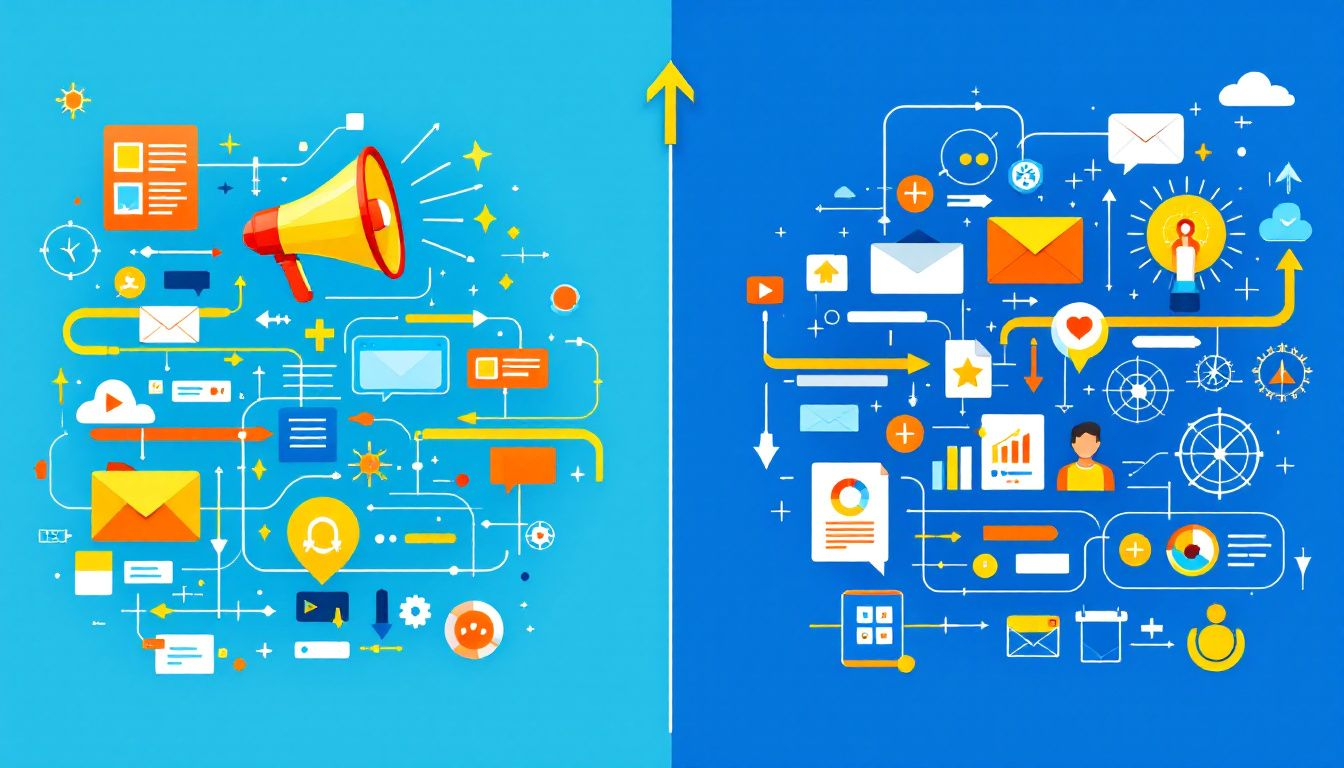
Marketing involves promoting and selling products or services through various activities, including market research, advertising, and sales. It encompasses a broad range of strategies aimed at reaching consumers and projecting a brand’s self-image to attract and convert them into customers. The marketing department is typically responsible for crafting creative campaigns and using digital marketing to engage the target market.
On the other hand, brand management focuses on maintaining a consistent brand identity across all company outputs. Brand managers are tasked with defining the visual and verbal elements of the brand, from logos to messaging, ensuring that the brand’s image is cohesive and recognizable. This consistent representation helps in fostering belief in the brand and retaining customer attention.
While marketers often take the lead in creating initial brand guidelines, brand managers ensure these guidelines are meticulously followed. This dual effort between marketing and brand management ensures that a brand not only reaches its audience but also stays embedded in their memories through a consistent brand identity.
The Role of Marketing in Business Growth
Marketing’s primary role is to generate interest in a company’s products or services through various promotional activities. Marketing efforts facilitate lead generation and drive sales by positioning the brand in front of potential customers. Digital marketing campaigns, including social media and video advertising, are integral components of these strategies, helping to engage with the target audience effectively.
Take, for example, the integrated marketing campaigns by companies like Microsoft and Emirates Airlines. Microsoft leverages both traditional and digital media to showcase products like Office 365 through innovative print ads that captivate customers. Emirates Airlines employs a multifaceted marketing strategy, including event sponsorship and a robust online presence, to communicate its brand values and high-quality services.
Effective marketing acts as a bridge that connects the brand with its audience. Leveraging social media and digital marketing is essential for engaging the target audience and driving sales. Understanding consumer preferences and tailoring offerings accordingly enhances customer engagement and loyalty for marketing teams. In today’s digital landscape, PE technology plays a crucial role in uniting marketing and brand management strategies. Modern platforms built on advanced tech stacks help businesses streamline sales and marketing automation, enhance data analytics, and optimize brand management workflows. By integrating intelligent tools powered by PE technology, organizations can more effectively track campaign performance, maintain brand consistency across channels, and gain actionable insights into consumer behavior. This alignment between technology and strategy enables marketing and branding teams to collaborate more efficiently and scale growth with precision.
The Role of Brand Management in Building Loyalty
Brand management is essential for maintaining customer loyalty by ensuring a consistent brand image and focusing on long-term brand building that resonates with both internal teams and external audiences. Brand managers build recognition and trust by consistently applying brand elements like logos and colors. This consistency is crucial for fostering positive brand sentiment and creating a strong emotional connection with customers.
Enhanced customer trust and loyalty through effective brand management can justify higher pricing. Protecting and promoting positive brand perceptions helps companies build strong brand equity among loyal customers. This equity is cultivated through consistent and positive customer experiences that align with the brand’s promises.
Engaging employees in brand management efforts fosters authenticity and strengthens brand values, which amplifies how the brand is represented both internally and brand externally. When employees believe in and embody the brand’s values, it resonates more authentically with customers. This internal engagement, combined with a strong focus on maintaining a positive brand image externally, helps in building long-term customer loyalty.
Key Differences Between Marketing and Brand Management
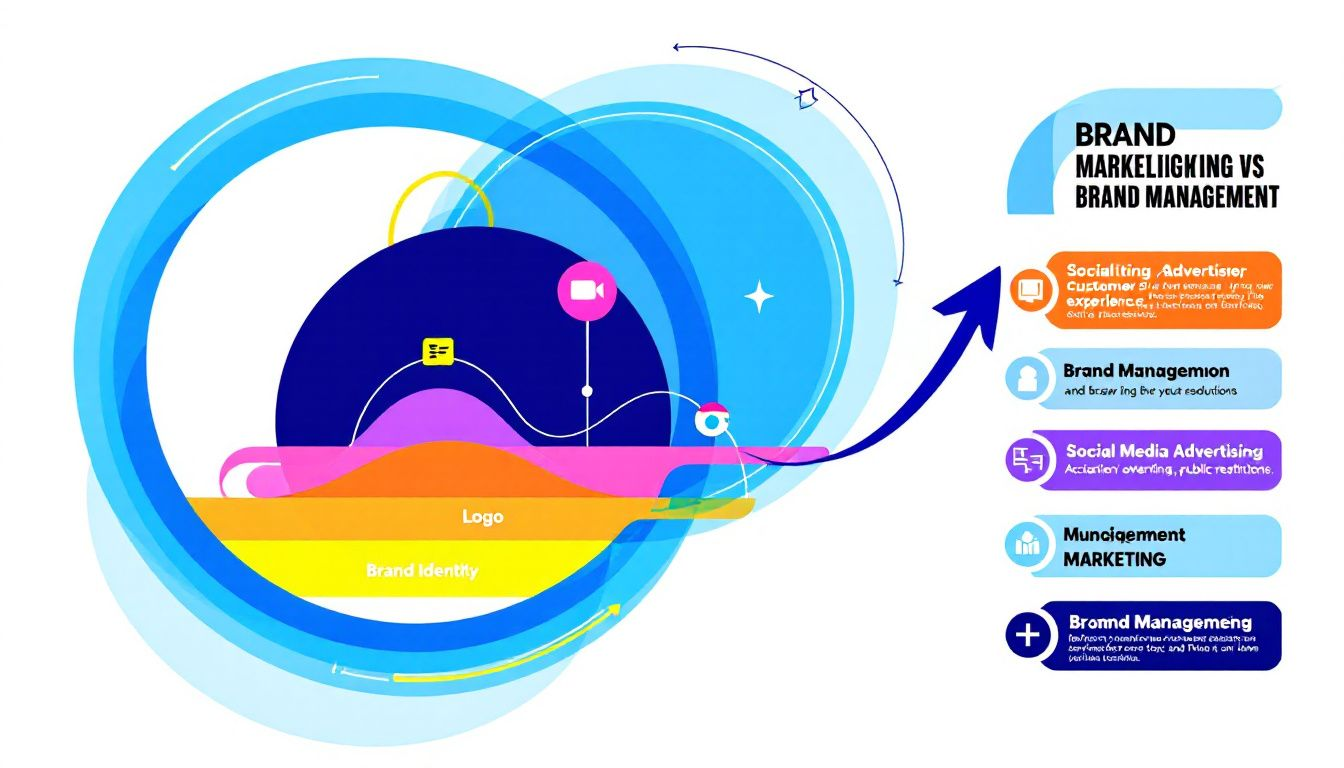
While marketing and brand management both aim to support a brand’s development, their approaches are distinct. Marketing focuses on generating immediate sales and visibility through promotional activities. In contrast, brand management is more concerned with maintaining a unified brand identity and building long-term brand equity.
Understanding these distinctions is crucial for a company to effectively leverage both strategies for growth. Properly utilizing the distinct roles and functions of marketing and brand management can elevate a business to the next level.
Both marketing and brand management teams should operate with bifurcated responsibilities to achieve their respective objectives.
Focus and Objectives
Marketing’s primary objective is to drive immediate sales and increase visibility for products. Marketing strategies are designed to attract the target market through creative and impactful campaigns. These efforts often involve sales outreach, digital campaigns, and advertising to quickly capture the attention of potential customers.
On the other hand, brand management aims to build long-term brand equity and recognition. Brand managers focus on defining the brand strategy and ensuring that all brand elements, from visual style to messaging, create a cohesive overall impression. This long-term focus helps in establishing a trusted and recognizable brand identity.
Internal vs External Efforts
Marketing teams primarily focus on external promotion of the brand. Their efforts are directed towards reaching the target audience through various channels like social media, email marketing, and advertising campaigns. The marketing team plays a crucial role in this process.
In contrast, brand managers ensure internal consistency in brand representation, making sure that all branding efforts align with the brand’s core values and guidelines.
Short-term vs Long-term Goals
Marketing efforts are designed for quick market penetration and immediate sales. These short-term goals are essential for driving revenue and gaining market share rapidly.
Conversely, brand management seeks to cultivate lasting customer loyalty over time, focusing on building a strong and positive brand reputation that endures.
How Marketing and Brand Management Work Together

The relationship between marketing and brand management is deeply intertwined, with both functions being essential for brand success. Integrated strategies are necessary to enhance customer engagement and achieve business goals. For instance, Coca-Cola effectively uses integrated marketing communication by combining traditional advertising with digital channels to enhance its brand reach.
While marketing can be seen as a short sprint to capture immediate attention, brand management is more like a marathon, steadily building customer rapport and loyalty. Working collaboratively, these teams can craft innovative and impactful campaigns that resonate with consumers and maintain a strong, consistent brand image.
Activities Involved in Marketing and Brand Management
Marketing and brand management strategies involve a range of activities essential for a business’s success. These activities, although different in focus, complement each other to create a cohesive strategy that drives both immediate sales and long-term loyalty.
Marketing Activities
Marketing activities encompass diverse strategies such as digital campaigns, video ads, social media interactions, and direct sales outreach. Video advertisements are particularly effective in conveying brand messages and capturing viewer attention. A video maker can streamline the creation of engaging video content, making it easier for brands to produce high-quality ads and social media videos.
Regular social media posts allow brands to interact with customers and maintain a consistent online presence.
Sales outreach efforts, like direct emails and calls, help establish personal connections with potential customers. Additionally, conducting market research to understand market trends and consumer preferences is crucial for developing effective marketing strategies.
Brand Management Activities
Brand management activities focus on maintaining centralized brand guidelines to ensure all branding efforts are consistent and align with the brand’s core values. This includes ensuring that branded merchandise reflects the company’s commitment to quality, as seen in this real-world durability test on branded mugs. Defining brand strategy is the responsibility of brand managers, who provide brand resources and guidelines to ensure consistency in branding across all channels.
When a company’s marketing department can no longer handle brand management, a dedicated brand management team is often formed to take over these responsibilities. This team works to maintain a consistent brand image and develop strategies that enhance brand equity and customer loyalty.
Importance of Consistent Brand Identity
Maintaining a consistent brand identity is crucial for effective brand management. A clear and cohesive brand message across all platforms enhances brand recognition, making it easier for consumers to identify and remember the brand. This consistency also fosters trust between the company and its customers, which is essential for building long-term relationships.
Studies have shown that maintaining a uniform brand image can lead to increased revenue, with some businesses experiencing an average growth of 23%. Aligning visual and narrative elements allows a business to effectively communicate its core values and build a strong, recognizable brand identity to increase brand awareness.
Creating brand assets like logos and taglines is essential for establishing a recognizable brand identity. Effective brand management and brand development help improve brand recognition and foster an internal understanding of brand values, ensuring that all employees are aligned with the brand’s goals.
Why Brand Consistency Matters More Than Ever
In an era where customers interact with brands across multiple digital touchpoints—websites, social media, mobile apps, emails, and even smart devices—brand consistency has become non-negotiable. It’s no longer just about having the same logo or tagline everywhere; it’s about delivering a unified and seamless experience that reinforces your brand identity at every step.
Omnichannel Experience Demands Consistency
Today’s consumers expect a smooth and consistent brand experience—whether they’re browsing your website on a laptop, engaging with your Instagram Reel, or getting a post-purchase email. If your brand voice, visuals, or messaging feels fragmented across channels, it erodes trust and weakens brand perception.
Consistent branding can increase revenue by up to 33%, according to a study. This makes it essential for brand managers and marketers to collaborate using shared platforms and guidelines.
How Brandy Solves the Consistency Puzzle
That’s where tools like Brandy shine. Brandy helps eliminate inconsistencies by offering:
- Centralized brand asset management (logos, color palettes, icons)
- Shareable brand style guides via one link
- Permission controls to keep branding in check across internal teams and partners
- Real-time collaboration on brand updates
Whether you’re launching a campaign or onboarding a new designer, Brandy ensures everyone speaks the same brand language—with zero guesswork.
Tools and Technologies for Effective Brand Management and Marketing
Tools and technologies play a significant role in effective brand management and marketing. Brand management software (BMS) provides an all-inclusive platform for managing brand resources and ensuring consistency. BMS integrates Digital Asset Management (DAM) with brand management features, enhancing control over brand assets.
Collaborative tools like Adobe Workfront and Wrike help teams prioritize and automate their tasks effectively. Mailchimp and Hootsuite are versatile tools for managing email campaigns and social media outreach, respectively, providing valuable insights into customer engagement. HubSpot CRM aids in managing customer data, facilitating improved marketing and sales interactions.
Tools like Canva and Sprout Social assist in creating and managing marketing materials and social media strategies. These technologies streamline workflows, enhance collaboration, and ensure that all branding efforts are cohesive and effective.
Summary
In summary, marketing and brand management play distinct yet complementary roles in driving business success. Marketing focuses on immediate sales and visibility, while brand management aims to build long-term brand equity and customer loyalty. Both functions are essential and, when integrated effectively, can elevate a brand to new heights.
Understanding the key differences and how these functions work together can help businesses develop more effective strategies. By leveraging the right tools and maintaining a consistent brand identity, companies can achieve sustained growth and build lasting relationships with their customers.
Frequently Asked Questions
The primary difference lies in their focus: marketing is all about driving short-term sales and visibility, whereas brand management is more concerned with cultivating long-term brand value and a consistent identity. So, while marketing sparks interest, brand management fuels loyalty.
Marketing and brand management work hand in hand to create a unified strategy; marketing boosts immediate sales and engagement, while brand management ensures that everything aligns with the brand’s core values. This collaboration ultimately enhances customer loyalty and strengthens brand recognition.
Marketing is all about connecting with your audience through digital campaigns, social media, and engaging video ads, while also hitting the ground running with sales outreach, thorough market research, and utilizing an ad generator to create targeted campaigns. These activities help you understand what your consumers really want!
A consistent brand identity is essential because it boosts brand recognition and builds customer trust, ultimately driving revenue growth. When your branding communicates a clear message across all platforms, it resonates better with your audience.
Brand management and marketing can greatly benefit from tools like Adobe Workfront, Hootsuite, and Mailchimp, which help streamline workflows and maintain consistent branding. Using these tools will definitely enhance your marketing efforts and collaboration.